
Italian Insider
WorldSchengen

Can a Country Actually Be Thrown Out of Schengen? The Treaties Say No

Italy, Denmark and Finland have called for Spain to be shut out of the passport free area after 60,000 arrivals in Ceuta. The rules allow border checks to return; they do not allow a member to be expelled.

By Elena MorettiPublished 5 min read
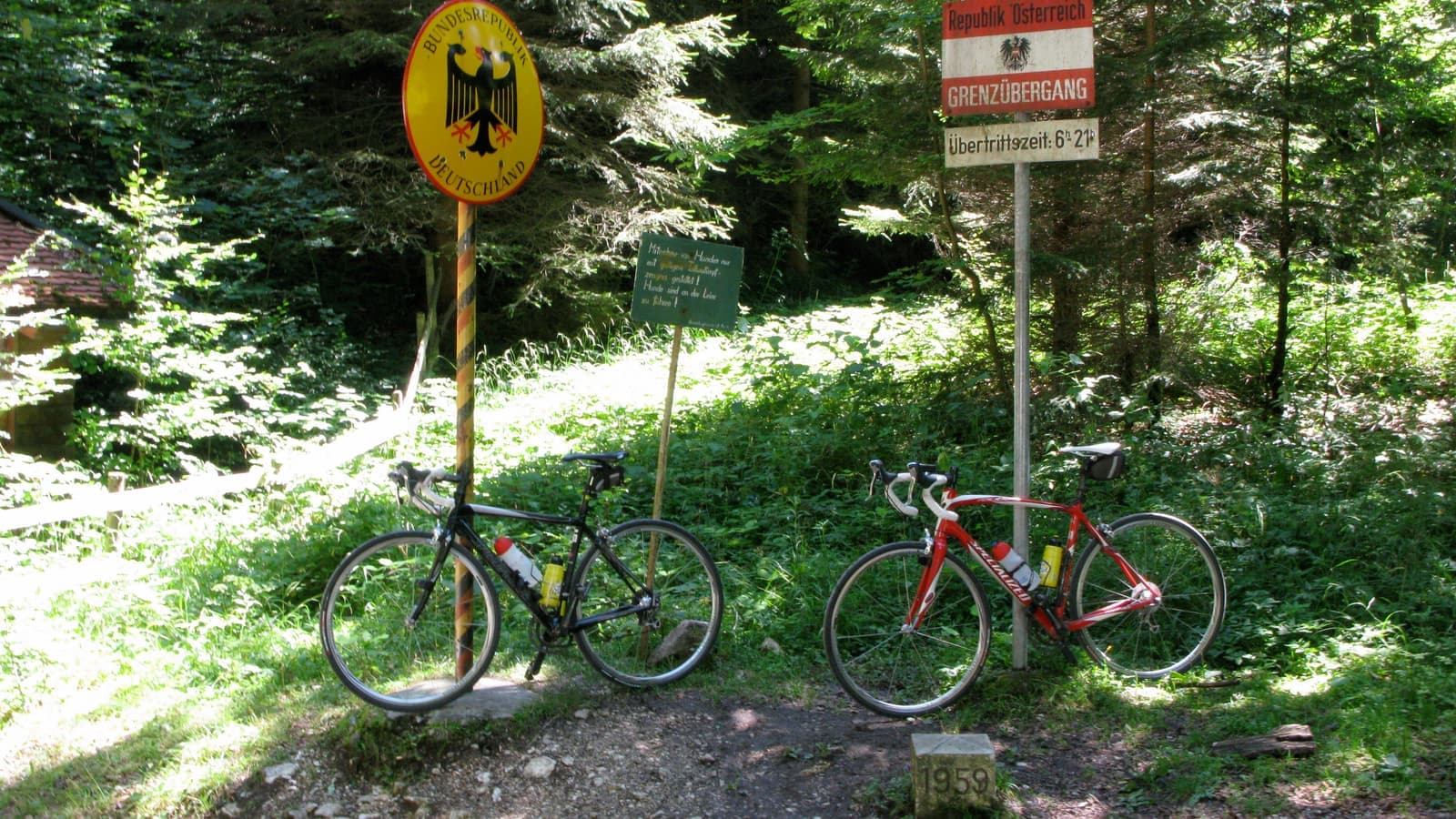
German Austrian Border. File photograph.
German Austrian Border. File photograph. · Photo: Mike Knell from Zürich, Switzerland / BY-SA 2.0 via Openverse

Italy, Denmark and Finland have called for Spain to be shut out of the European Union's passport free travel area after the enclave of Ceuta was overwhelmed by the arrival of 60,000 migrants. The demand is politically legible and legally awkward, because the mechanism it asks for does not exist.

Schengen is one of the Union's most tangible achievements: a travel area in which checks on travellers were abolished. It was built up from 1985, with checks first effectively removed in 1995 between Belgium, France, Germany, Luxembourg, the Netherlands, Spain and Portugal. It now covers 29 countries, including every EU member except Cyprus and Ireland, plus Iceland, Liechtenstein, Norway and Switzerland.

What the rules do provide for is the reintroduction of internal border controls, temporarily, in defined circumstances and with notification. Several members have used that repeatedly in the past decade, including Italy. The controls are a national measure applied at a national frontier, not a sanction imposed on another state.

There is no procedure for suspending or expelling a participant from Schengen. That is the practical answer to the question being asked this week, and it explains why the same governments calling for Spain's suspension are also reinforcing their own borders: the second thing they can do by themselves, and the first they cannot do at all.

Tags

  • Schengen
  • European Union
  • Borders
  • Law
Keep scrolling for more stories