
Italian Insider
BusinessMonte dei Paschi di Siena

MPS Shareholders Met to Decide the Bank's Independence, and the Math Was Against It Before a Single Vote

Monte dei Paschi di Siena CEO Luigi Lovaglio needed a two-thirds supermajority to approve his plan to fend off Intesa Sanpaolo's hostile bid. Less than 70 percent of capital was even deposited for the vote, and opposition from Delfin, Caltagirone and both proxy advisory firms left the threshold close to unreachable.

By Italian Insider StaffPublished 2 min read
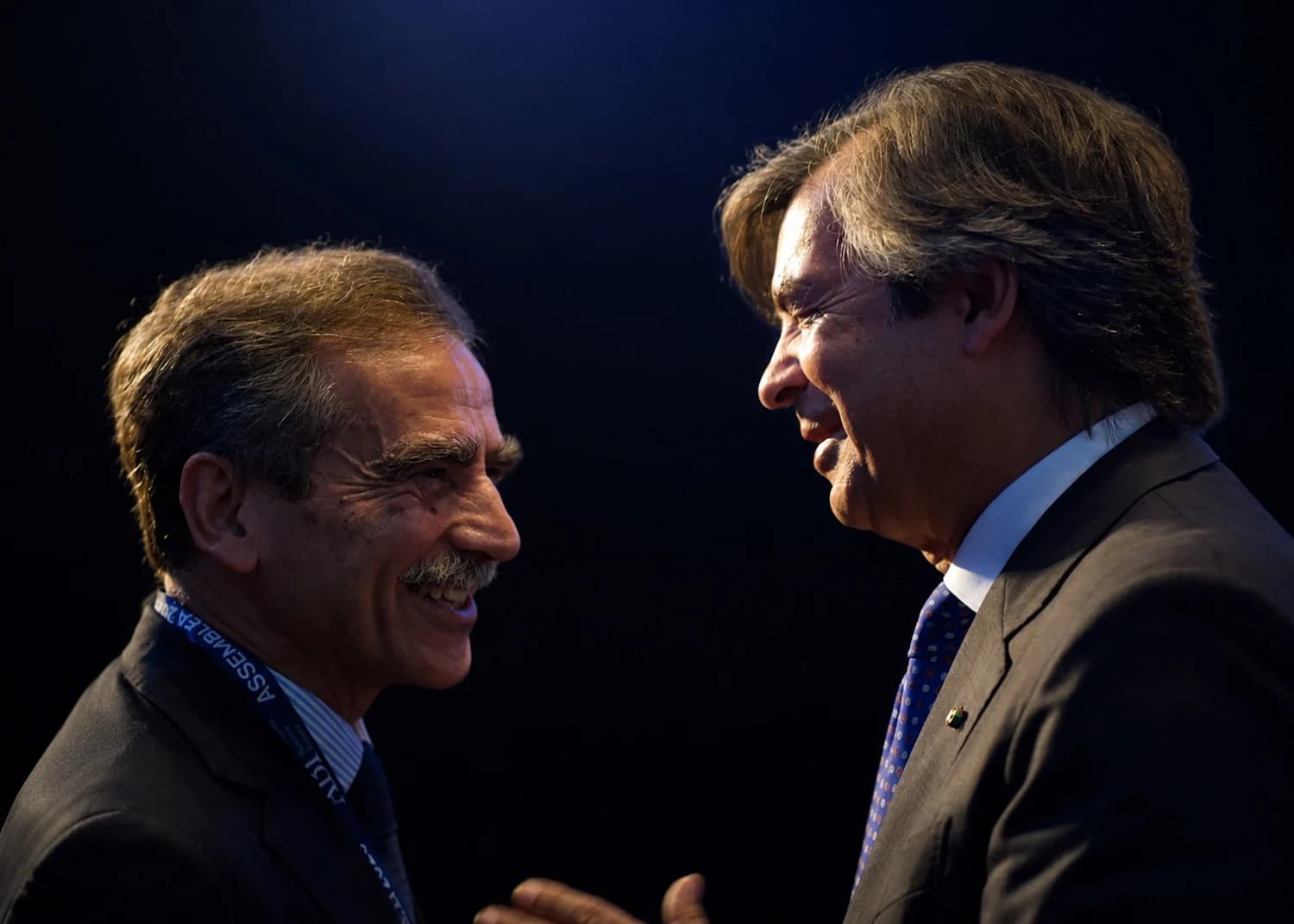
Luigi Lovaglio, CEO of MPS, and Carlo Messina, CEO of Intesa Sanpaolo, speak together.
Luigi Lovaglio, CEO of MPS, and Carlo Messina, CEO of Intesa Sanpaolo, speak together. · Photo: Carlo Carino/Imagoeconomica

Shareholders of Monte dei Paschi di Siena gathered on October 29 for an extraordinary meeting meant to settle the bank's response to a hostile takeover bid from Intesa Sanpaolo, with 65.86 percent of capital present, 178 shareholders voting directly and another 2,075 by proxy. The number that mattered most, though, was the one the meeting needed to clear and did not look likely to, a two-thirds supermajority, a threshold that became difficult to reach the moment less than 70 percent of the bank's total capital was even deposited for the vote.

MPS chief executive Luigi Lovaglio brought a plan built around staying independent rather than being absorbed. It called for MPS to launch its own counter-bids on Banco BPM and Banca Generali, pursue a merger with Mediobanca instead of Intesa, and preserve the bank's strategic independence along with its historic headquarters in Siena, a city whose identity has been bound up with the bank for centuries.

Intesa's chief executive Carlo Messina answered by raising the stakes rather than lowering them. He lifted Intesa's total offer for MPS to 31.4 billion euros and invoked Mario Draghi's own line, that Intesa would do whatever it takes to complete the acquisition, while warning that approving Lovaglio's plan would void Intesa's offer entirely. The message to shareholders was blunt, choose MPS's independence and the Intesa deal disappears with it.

The numbers working against Lovaglio were already visible before the vote began. Delfin and Caltagirone, two shareholder blocs controlling more than 31 percent between them, opposed his plan, and opposition from the floor was expected to reach as much as 40 percent of the capital actually present. Proxy advisory firms ISS and Glass Lewis had already recommended shareholders vote against both of Lovaglio's proposed operations and against a special dividend tied to them. Banco BPM, holding 3.74 percent, and Italy's Ministry of Economy, holding 4.86 percent, stayed away from the meeting entirely, removing two blocs that might otherwise have tipped the math in either direction.

What support Lovaglio did have was institutional and emotional rather than numerical. The MPS Foundation reaffirmed its backing for the plan, calling it an industrial development project meant to preserve the bank's strategic independence, integrity and identity, and bank employees organized their own protest in support of staying independent. None of that changes a supermajority threshold that the capital present at the meeting may not have been large enough to clear even with unanimous support, leaving Monte dei Paschi's fate resting less on the strength of Lovaglio's case than on arithmetic that was largely decided before anyone in the room cast a vote.

Tags

  • Monte dei Paschi di Siena
  • Intesa Sanpaolo
  • Luigi Lovaglio
  • Carlo Messina
Keep scrolling for more stories