
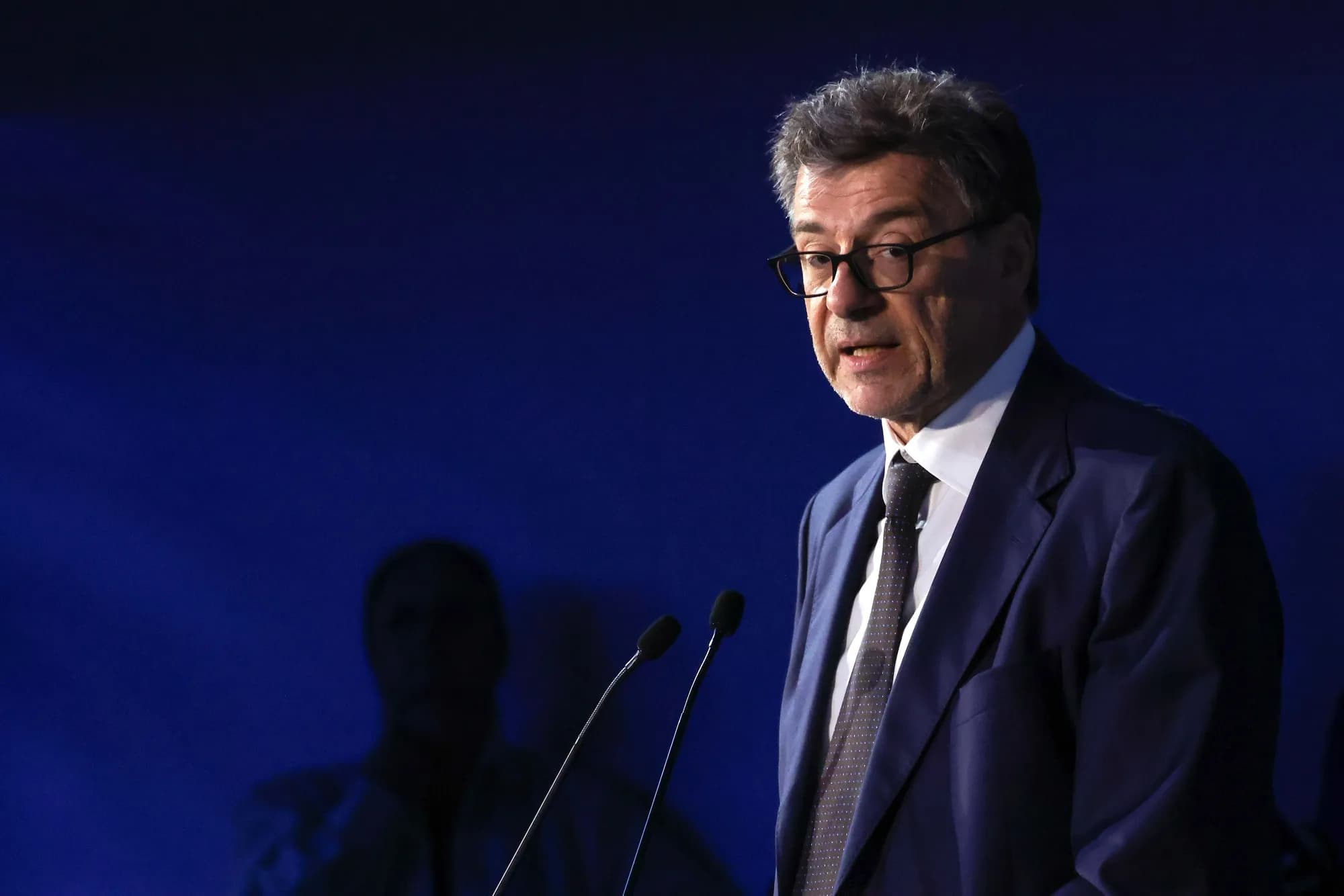
Italy's annual inflation rate climbed to 5.4 percent in October, its highest level since August 2023, according to data released by the national statistics agency Istat. Speaking at Italy's World Savings Day event the same day, Finance Minister Giancarlo Giorgetti described the jump in blunt terms, calling it a dramatic consequence of the impact of wars on energy commodity prices rather than a problem rooted in domestic fiscal policy.
Giorgetti's phrasing put the blame squarely outside Rome's control, the impact of wars on energy raw materials, as he put it, pointing to the broader geopolitical backdrop, from the continuing war in Ukraine to tensions involving Iran, that has kept energy markets unsettled for months. He said Italy had already raised these concerns in international forums and within Europe, treating the inflation figure as evidence for an argument the government has been making for weeks rather than a new one.
That argument has a recent history. Earlier this month, Giorgetti asked eurozone finance ministers to let inflation count as a legitimate excuse when Brussels judges whether a government's budget deviates too far from its targets, at a point when Italian inflation stood at 4.1 percent. October's jump to 5.4 percent hands him a sharper version of the same case, a reading he can point to as proof the pressure is accelerating rather than easing, and one that was not in Rome's control to prevent.