
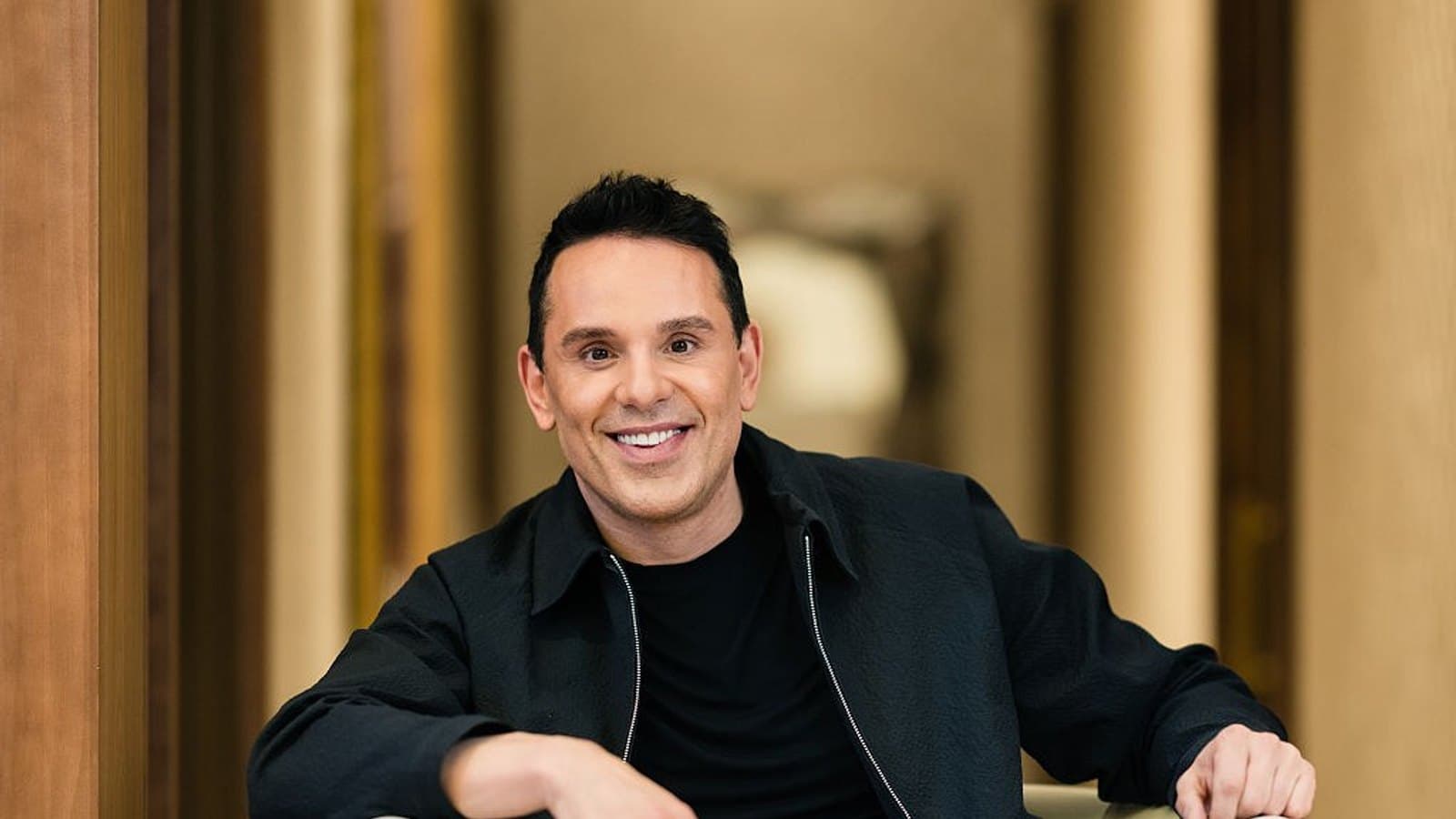
Eli Lilly, the most valuable pharmaceutical company in the world and the maker of Prozac and of the obesity drugs Zepbound and Mounjaro, has bought AtaiBeckley. Christian Angermayer, the German investor whose fortune is estimated at 1.2 billion dollars, took 360 million dollars from the sale.
The asset at the centre of it is Bpl-003, a nasal spray based on mebufotenin benzoate, a form of 5-MeO-DMT, in phase three development as a treatment for depression that has not responded to drugs. Phase three trials are expected to start in 2029. AtaiBeckley is also working on a dissolvable sublingual strip derived from DMT and holds a pipeline of other psychedelic compounds, including one related to MDMA.
The clinical logic is about duration rather than experience. Psilocybin acts for four to six hours and LSD can last up to twelve, which makes supervision expensive and scheduling difficult. Bringing a treatment down to about two hours changes what a clinic can absorb. Bpl-003 is administered on site, with the patient kept under observation for roughly two hours, a protocol close to the one used for Spravato, the ketamine derived nasal spray developed by Johnson and Johnson.
Angermayer traces the origin to a first psychedelic experience on the Caribbean island of Canouan at Easter 2014, which he has described as the most important positive experience of his life, and a second at the end of 2017 that he says pushed him to act. Introduced by the billionaire Mike Novogratz, he helped create Compass Pathways to develop psilocybin as a drug approved by the American Food and Drug Administration, and founded Atai the same year with Florian Brand, Lars Wilde and Srinivas Rao to work on DMT.
Lilly avoids the vocabulary the sector grew up with, and the framing is deliberate: these are medical treatments delivered in a clinic, not experiences. After the deal Angermayer wrote on X that the field is going through a change of paradigm, that psychedelics needed evangelists ten years ago and now need commercialisation. Karen Andersen, healthcare research chief at Morningstar, reads deals like this as evidence that psychedelic drugs have shed the counterculture stigma and are being taken seriously by large pharmaceutical companies as candidates for approval.