
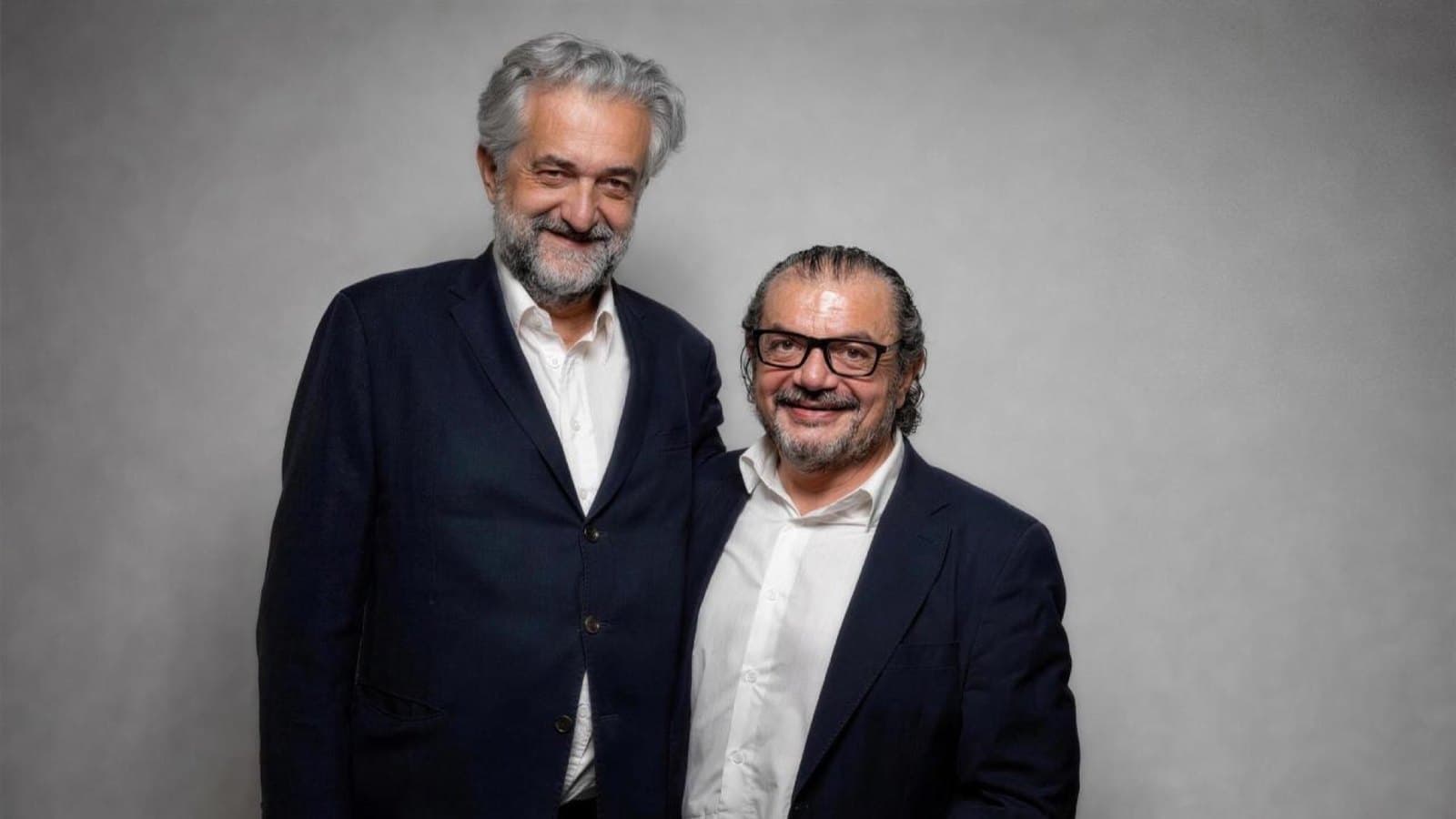
Aflabox, an Italian agritech company founded in July 2024 by Luca Alinovi and Fabrizio Cardillo, has closed a seed round of 1,35 million euros. The equity investment was made through FoodSeed, the agrifood accelerator in the Cdp Venture Capital national network run by Eatable Adventures, with participation from Farming Future, the agrifood tech transfer hub promoted by Cdp Venture Capital SGR with ToSeed and Partners.
The problem the company is attacking is a timing problem rather than a scientific one. Mycotoxins are produced by certain fungi and can contaminate maize, cereals, flour, seeds, dried fruit and animal derived products. Aflatoxins in particular carry consequences for health, for product quality, for the commercial value of a crop and for whether it can enter a market at all. Testing for them today generally means a specialist laboratory, benchtop instruments, trained staff and a wait of several hours to several days. In rural areas, at collection points and in the countries where contamination risk runs highest, that delay is the reason decisions get made without data.
Aflabox is not sold as a single instrument. It is a field intelligence platform built from portable hardware, ultraviolet and white light imaging, artificial intelligence models, geolocated data capture and a cloud dashboard. Each scan returns a digital, shareable result in less than ninety seconds, and each scan also feeds a database of quality, contamination, risk and commercial value.
The users the company has in mind sit at every point of the chain. Farmers can check a harvest where it stands. Collection centres, aggregators and traders can use a reading to decide what to buy and how to store it. Food manufacturers and exporters can tighten control and traceability, which is what determines market access. Governments, public institutions, donors and international bodies can use the aggregate to plan food safety programmes and watch the areas most exposed.
That aggregate is the part with the longer horizon. A single analysis is worth what it is worth on the day. Geolocated and accumulated over time, the same scans can build territorial maps of quality and risk, support national food safety programmes, strengthen traceability and improve export readiness, telling governments, companies and donors where the problem is most urgent rather than where it is easiest to look.
The new capital goes to completing validation and certification of the device, building commercial presence in Kenya, Nigeria and Italy, and starting work on a micro factory to manufacture it. Part of the round is earmarked for the artificial intelligence platform itself, for detection accuracy, for the distribution network across Africa and Europe, and for hiring. Aflabox has already supplied twenty devices to the World Food Programme in Kenya, presented the technology at the Cereal Millers Association annual technical conference in April 2026, completed a first validation phase of the model and filed a patent on the solution.
The founders bring the two halves the idea needs. Alinovi, the chief executive, has worked in food safety and international development for more than 25 years, including as a Fao representative and as an aflatoxin specialist, experience that pointed him at the bottleneck: identifying risk quickly where the product is actually handled. Cardillo, chairman and chief marketing officer, brings more than thirty years in international business and in building industrial and institutional projects in African markets. Their stated aim is a bridge between Italian technology, African supply chains and international markets, turning agricultural quality into a fast, accessible, geolocated figure. The technical team includes Brandon Idemudia, artificial intelligence lead and deep learning specialist, and Kennedy Kioko, a data scientist working on machine learning and predictive models for food safety.