
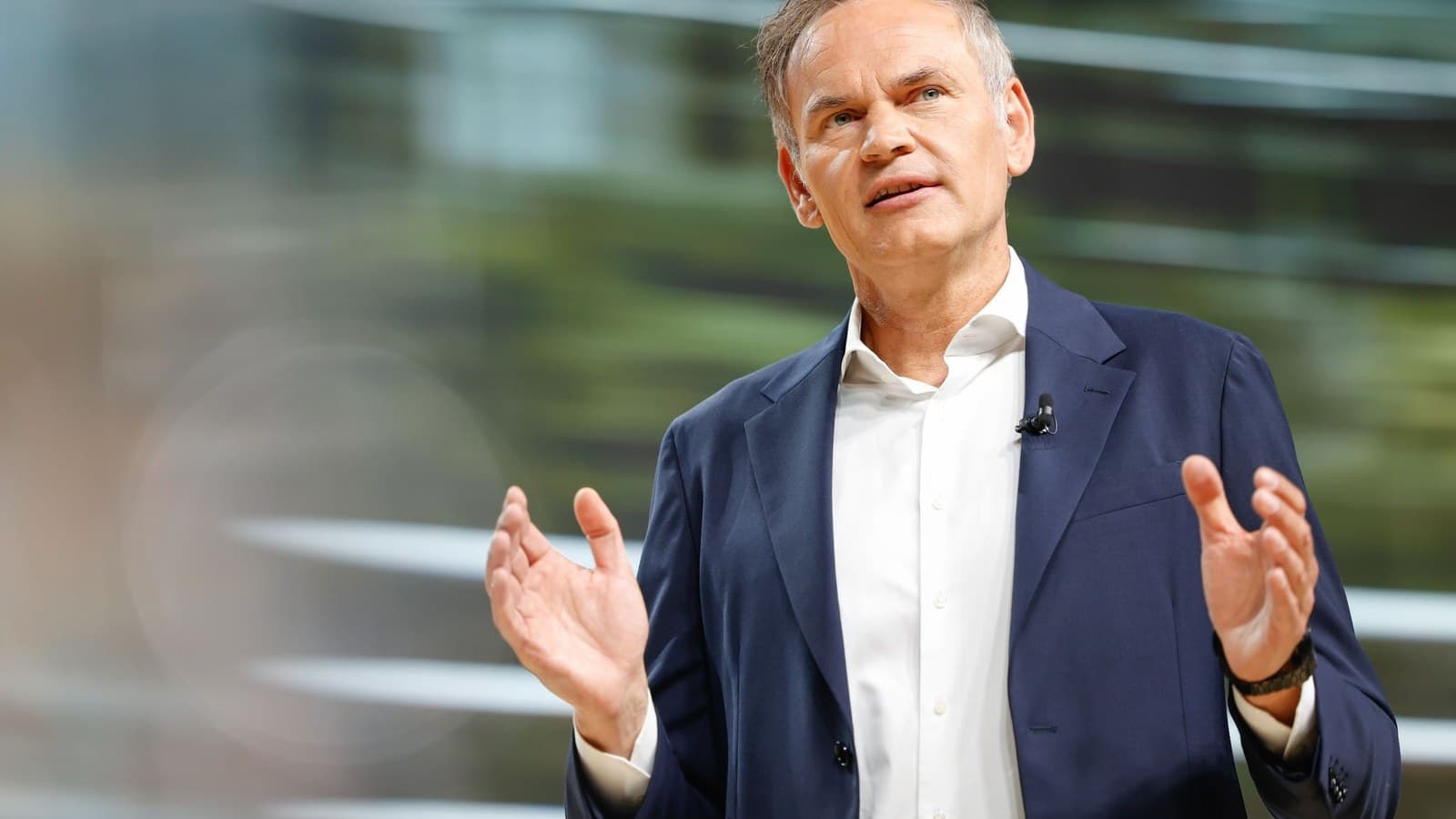
Volkswagen's chief executive Oliver Blume has stopped softening the diagnosis. The situation at Europe's largest carmaker is more than critical, he said, a description that goes well beyond the usual language companies use when profits slip. Behind the phrase sits a production system built for a market that no longer exists, Volkswagen's Continental European plants are turning out roughly 500.000 more vehicles a year than buyers actually want.
Four factories carry the weight of that mismatch most directly, in Emden, Hannover, Zwickau and Neckarsulm. None has a clear path to staying profitable once the current decade ends, though Volkswagen has stopped short of announcing closures, partly because shutting a German auto plant carries financial costs and partly because it carries political ones that are just as hard to absorb.
The company has already moved on the workforce side of the problem. Of 50.000 job cuts planned, about 37.000 exit agreements are done, employees who have already left or agreed to go. Further savings, including changes to the employment guarantees Volkswagen has long offered German workers, are running into resistance from both the state government of Lower Saxony, which holds 20 percent of voting rights and blocked board approval of Blume's July savings plan, and from the IG Metall union, whose leader Christiane Benner argues workers have already given up enough.
Inside that standoff, one idea has moved from theoretical to real. Volkswagen is in talks with defense and security companies about converting its Osnabruck plant, an idea that would have sounded strange a decade ago and now reads as a fairly literal description of where European industrial capacity is being pulled. A factory built to make cars becoming one that supplies or assembles military equipment is not a pivot Volkswagen wanted to make, it is one that a shrinking car market and a growing defense budget across Europe are making for it.
None of this settles the larger question hanging over Wolfsburg, which is whether trimming headcount and repurposing one plant is enough, or whether Volkswagen is still only dealing with the parts of the crisis that are easiest to negotiate. Blume's own language suggests he does not think the hard part is behind him.