
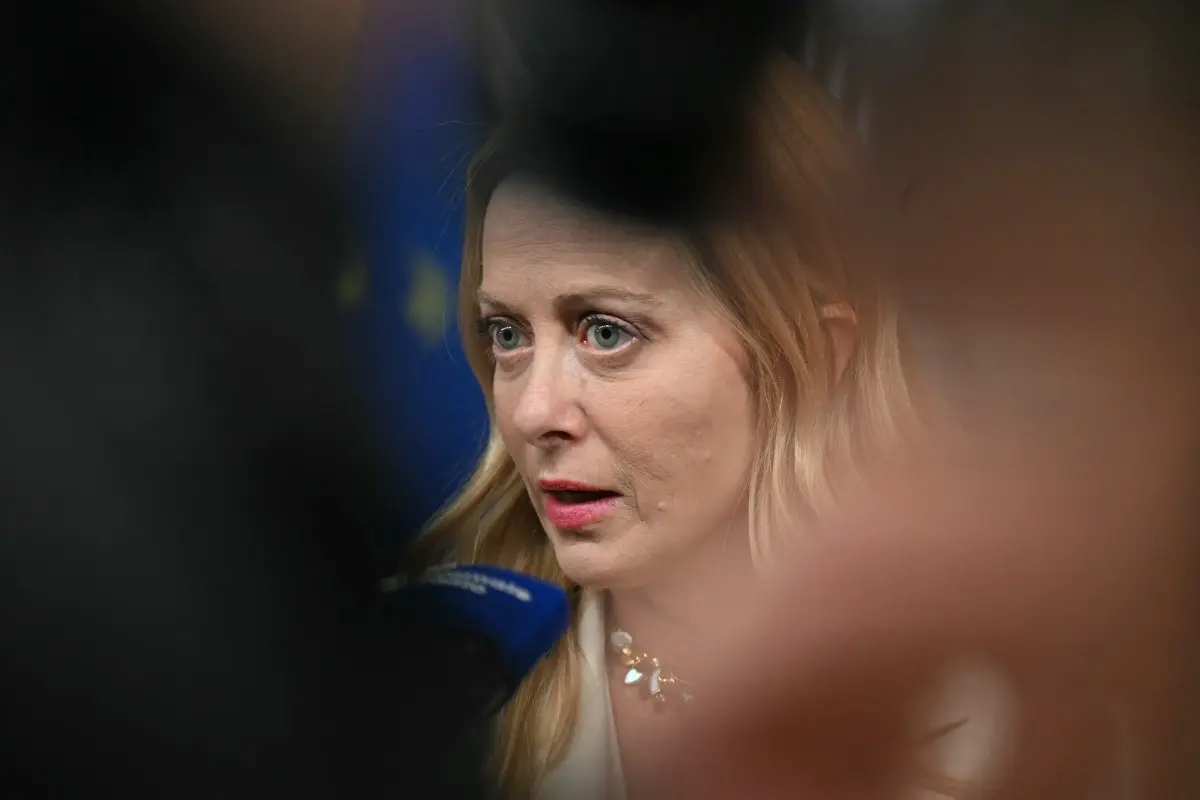
Prime Minister Giorgia Meloni's cabinet formally signed off on sending 500 soldiers to Milan in response to the looting and violence that followed last weekend's cost of living protests, but the plan that emerged from cabinet talks was narrower than what had first been floated. President Sergio Mattarella objected to giving the deployed soldiers judicial police powers, the authority to act more like law enforcement than a static security presence, and the final decree leaves that provision out entirely.
Meloni posted her own framing of the decision on X once the cabinet meeting wrapped up. Destroying and stealing is not protest, she wrote, it is crime, and the state's response must be firm, language that cast the deployment and the legal package around it as a matter of basic law and order rather than a response calibrated to any one weekend of unrest.
The package the cabinet did approve is still substantial even without the policing powers Mattarella rejected. It makes detention of minors easier in cases connected to the unrest, creates a new specific criminal offense for violent participation in a demonstration, and introduces fines for the parents of minors found responsible for damage caused during protests, a provision that reaches directly into households rather than stopping at the people actually in the street.