
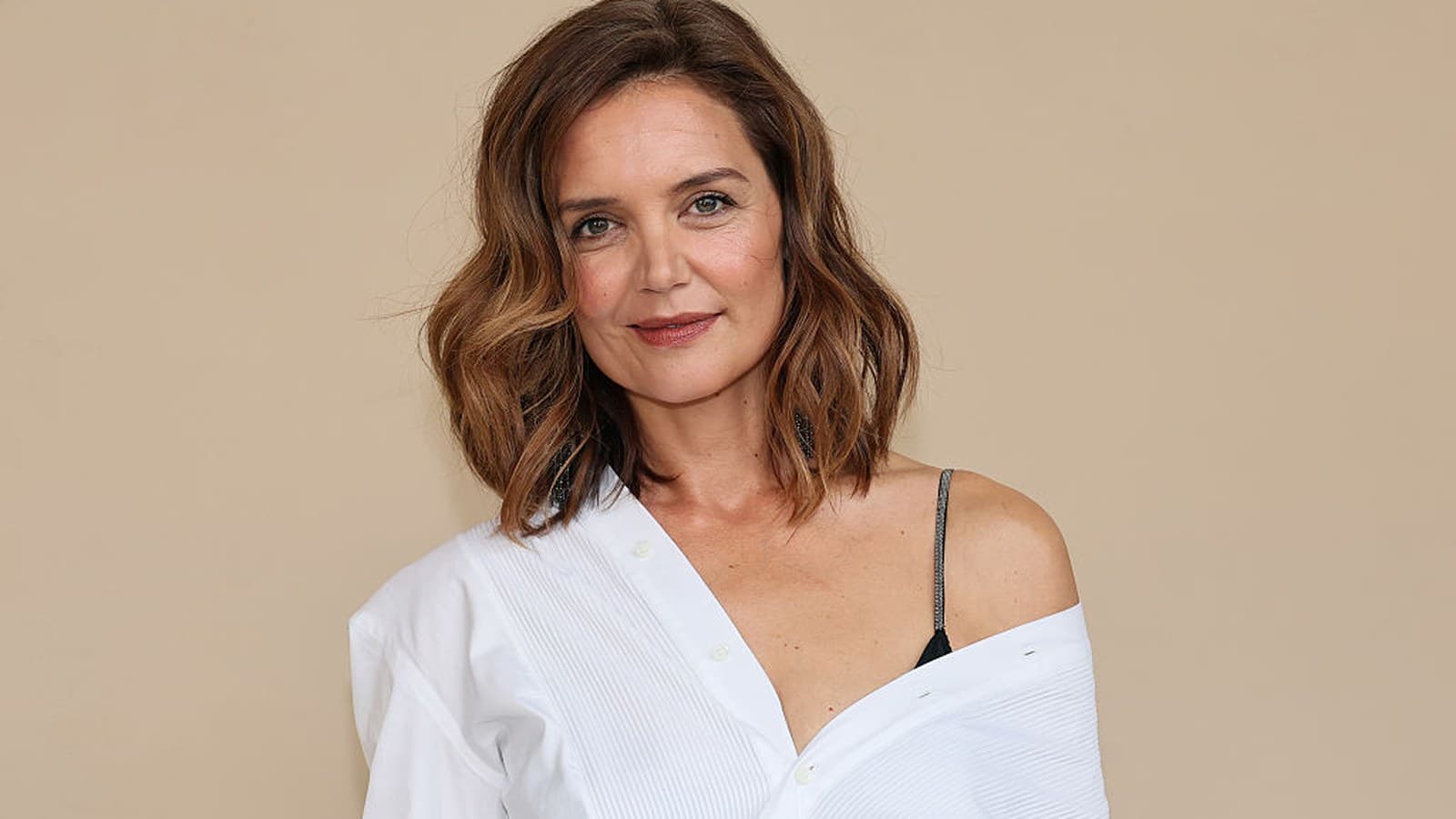
Katie Holmes brought her third film as director, Happy Hours, to the Tribeca Film Festival in New York, a romantic drama she also wrote about a divorced photographer who runs into her first love, now a travel writer, at a book presentation in the city they both still call home. The film follows what happens when two people who once mattered to each other try to figure out whether they still do, and whether either of them still knows how to trust someone after forty.
For the male lead, Holmes turned to Joshua Jackson, her co-star from Dawson's Creek two decades ago. Having him was a dream, she said, because the two already know each other so well, and that history was exactly the shorthand the film needed rather than something to work around. Chemistry built over twenty years is not something a casting session can manufacture on short notice, and Holmes built the project around the idea that it did not have to.
Happy Hours continues a directing career Holmes started almost a decade ago with All We Had in 2016, followed by Alone Together in 2022, the film that marked her screenwriting debut as well. In 2021 she co-founded Lafayette Pictures with veterans of Yale Entertainment, giving her a production home built specifically for the kind of smaller, character driven films the major studios rarely greenlight anymore.
That independence is deliberate. Holmes has said the challenges of making films outside the studio system are necessary to evolve as a filmmaker, and she has structured her career around that belief even when it meant turning down bigger roles, including a Batman sequel she passed on to keep working on projects she could shape from the page up. Independent cinema, in her telling, is less a fallback than the only way left to tell a story without a dozen executives reshaping it first.
Beyond film, Holmes has kept building outside the industry that made her famous, co-founding the Dizzy Feet Foundation in 2009 to support dance education and launching a fashion label, Holmes and Yang, on the side. Happy Hours fits the same pattern, a project she controls from script to screen, built on the theory that the smaller the film, the more of it actually belongs to the person who made it.