
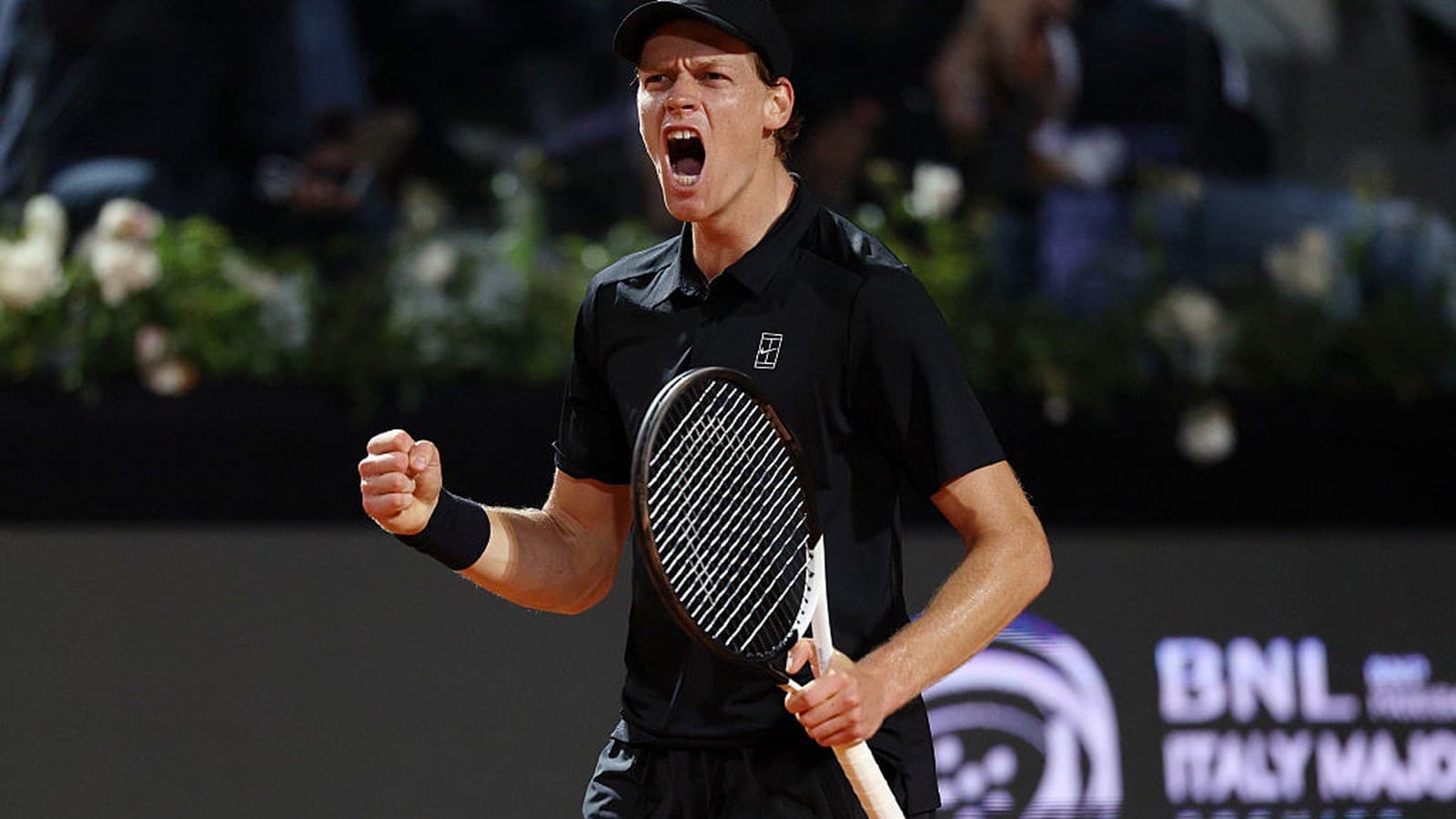
Jannik Sinner has become the highest paid tennis player in the world, earning 58 million dollars over the past season and moving past Carlos Alcaraz, who trails at 53,7 million. What stands out in Sinner's number is not just its size but its shape, 23 million dollars came from prize money and ATP bonuses alone, the largest single season haul recorded in the 19 years Forbes has tracked the sport, while the remaining 35 million came from endorsements, meaning sponsors are now paying him more to represent them than tournaments are paying him to win.
The on court results back up the number. Sinner won Wimbledon in July for his fifth Grand Slam title, has held the world number one ranking with a lead of more than 5.000 points over Alexander Zverev, and put together a streak of 34 consecutive wins at Masters 1000 events. He also collected 6 million dollars twice for winning the Six Kings Slam exhibition, prize money that sits outside the ATP tour but counts all the same toward a season built on rarely losing. The one blemish is a knee injury that will keep him out of the US Open, a reminder that even a season this dominant has limits.
The endorsement side of the ledger has grown just as fast as the trophy case. Sinner added Allianz, the insurance giant, as a sponsor in January, joining a roster of Italian brands that already included Gucci, Lavazza and De Cecco, a lineup that reads less like a tennis player's sponsor list and more like a study in Italian luxury and food branding. Together those deals have made him worth more to companies selling handbags, coffee and pasta than most of his rivals are worth to the sport that made them famous.
Behind him the rest of the top ten skews toward American star power, Serena Williams sits third at 40,1 million dollars despite years away from full time competition, followed by Aryna Sabalenka at 36,1 million and Coco Gauff at 35,5 million. Novak Djokovic, at 39 and still competing, rounds out the top six with 30,2 million dollars, a figure that shows how much a recognizable name can still command even as ranking points slip away.
What the list captures, more than any single number, is how thoroughly tennis earnings have decoupled from the scoreboard. A player can now out earn most of the field through sponsorships alone, and Sinner's season, a Grand Slam title, a ranking lead measured in thousands of points, and a season ending injury, makes the case that being the best is still what makes the endorsements worth that much in the first place.