
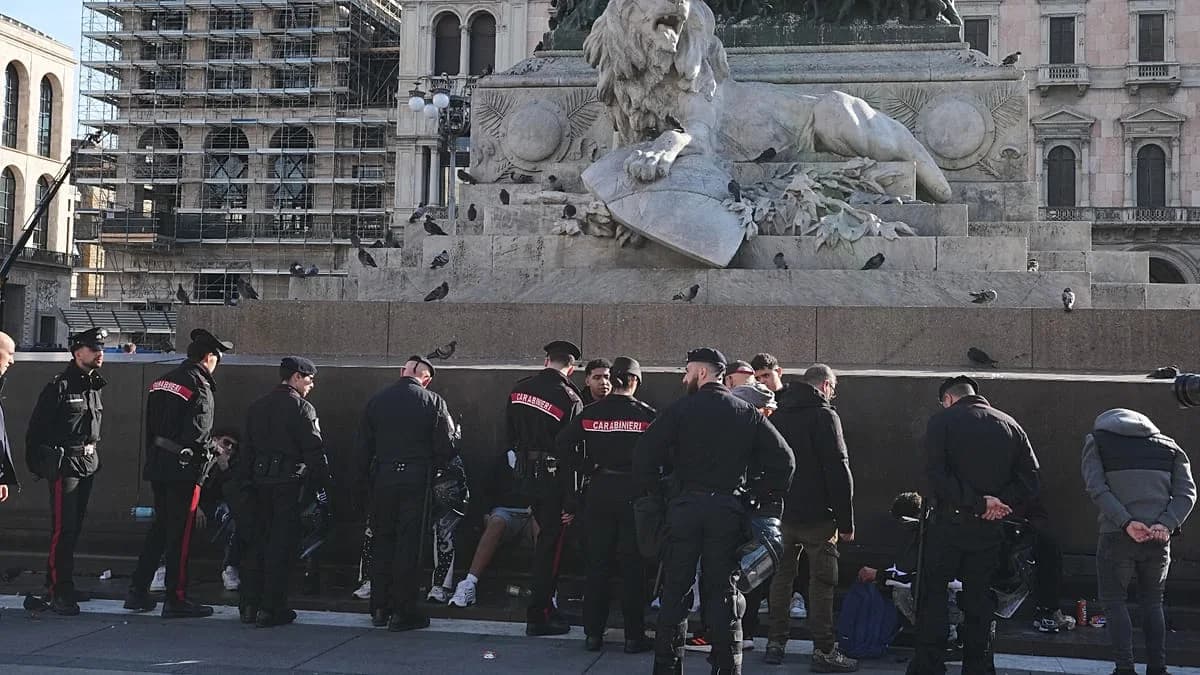
Italy's government responded to a weekend of looting and clashes in Milan, Turin and Bologna by announcing it would put soldiers on the streets. Foreign Minister Antonio Tajani said 500 military personnel would be deployed to help secure the country's cities, and that they would be granted judicial police powers, the authority to act more like law enforcement than a static security presence, as part of what he described as robust preventive measures.
The unrest that prompted the response began as part of a wider wave of cost of living protests that spread out of France over the preceding weekend, reaching Italian cities alongside similar demonstrations in Belgium and Portugal. What started as economic grievance marches turned into vandalism and looting in Milan's case, the kind of scenes serious enough that Rome is now reaching for a response built around troops rather than ordinary policing alone.
Behind the military deployment sits a far broader legislative package the government is weighing. Preventive detention would be extended from 12 to 24 hours, with the same detention authority made available for minors where the legal conditions allow it. A new specific offense would target aggravated property damage committed by groups, carrying penalties of up to five years in prison and fines reaching 15,000 euros under a bill already before the Senate, and police would gain the ability to make deferred arrests based on photographic and video evidence gathered after the fact rather than only in the moment.