
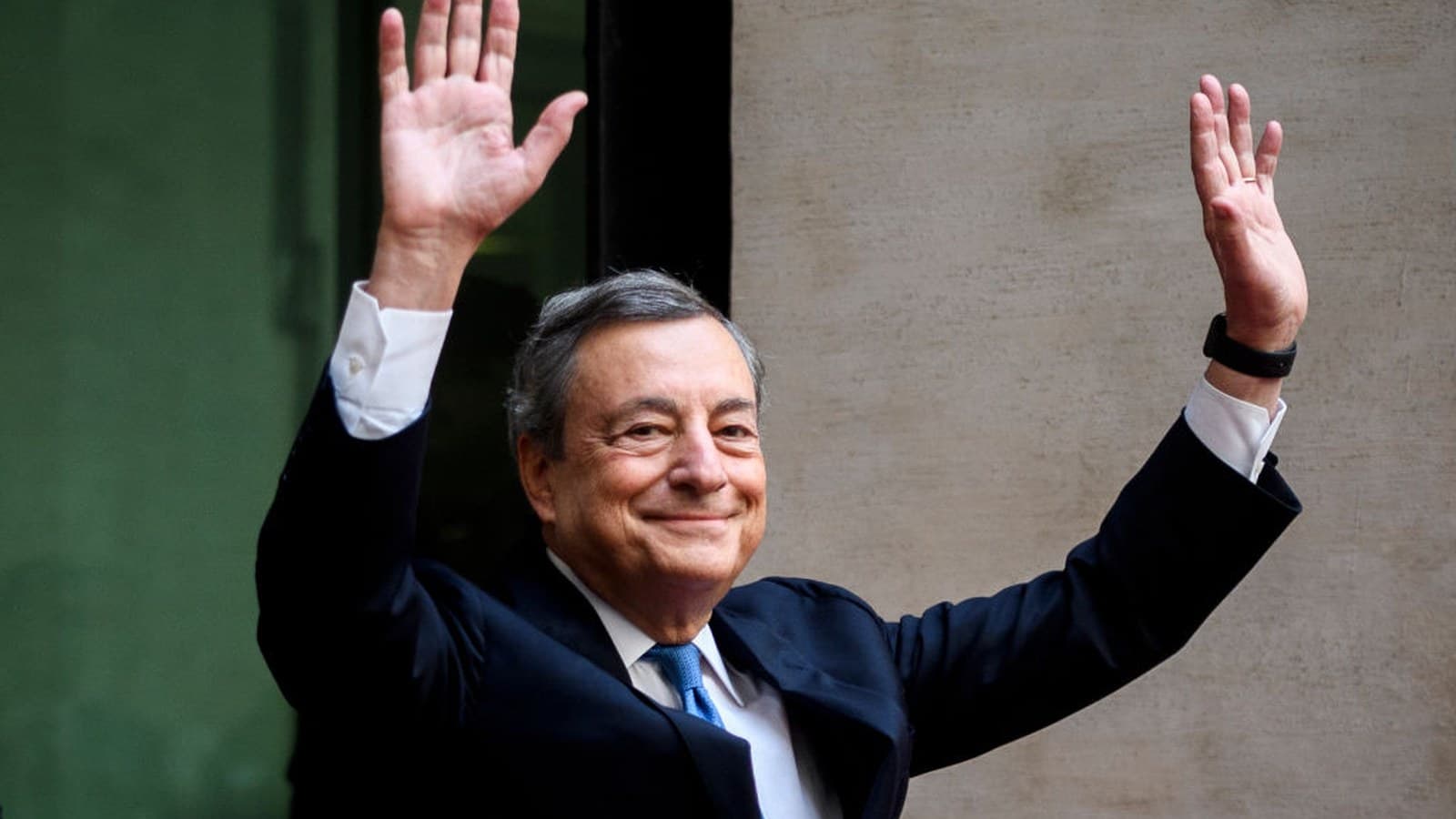
Mario Draghi spent 2024 writing a report that diagnosed exactly what was wrong with European competitiveness, more than 170 proposed interventions spanning energy, industry, defense, digital infrastructure, capital markets and productivity. None of it became policy. Now Draghi, together with Stripe co-founder and chief executive Patrick Collison, is launching a new organization built to close that gap between diagnosis and action, called the Rhine Group.
The group describes its own purpose bluntly, to take the competitiveness report Draghi delivered to the European Commission and turn it into a concrete reform agenda rather than a document governments file away. Its guiding line is just as blunt, decline is not inevitable, but it is the direction Europe has taken unless it acts with urgency. The group is careful to describe itself as a discussion forum rather than a rival to the Commission or to national governments, legally based in Geneva and run day to day by Luis Garicano, the Spanish economist and former member of the European Parliament.
What gives the Rhine Group its weight is less its legal structure than who signed on. The membership list mixes European business figures such as Xavier Niel of Iliad and the former French finance minister Bruno Le Maire with academics including the Nobel laureate economist Philippe Aghion, and reaches beyond Europe to Shopify's Tobi Lutke.
The Italian contingent is notably deep. Andrea Pignataro, the founder of Ion Group and reportedly Italy's richest person with a fortune near 42,1 billion dollars, has joined, alongside Luca Ferrari, co-founder of Bending Spoons, worth an estimated 3,4 billion dollars. Rounding out the Italian side are the Bocconi economist Francesco Giavazzi, the London Business School economist Lucrezia Reichlin, and Vittorio Colao, Italy's former innovation minister, giving the group direct lines into both Italian business and the policy world Draghi knows from the inside.
Whether the Rhine Group can succeed where the original report did not is an open question. A forum of prominent people agreeing that Europe needs to move faster is not new, what would be new is if this one produces enough political pressure that governments actually adopt reforms they have spent two years politely ignoring. Draghi built his reputation on doing whatever it takes at the European Central Bank. The Rhine Group is a bet that reputation still carries enough weight to move governments even without the institutional levers he once had.