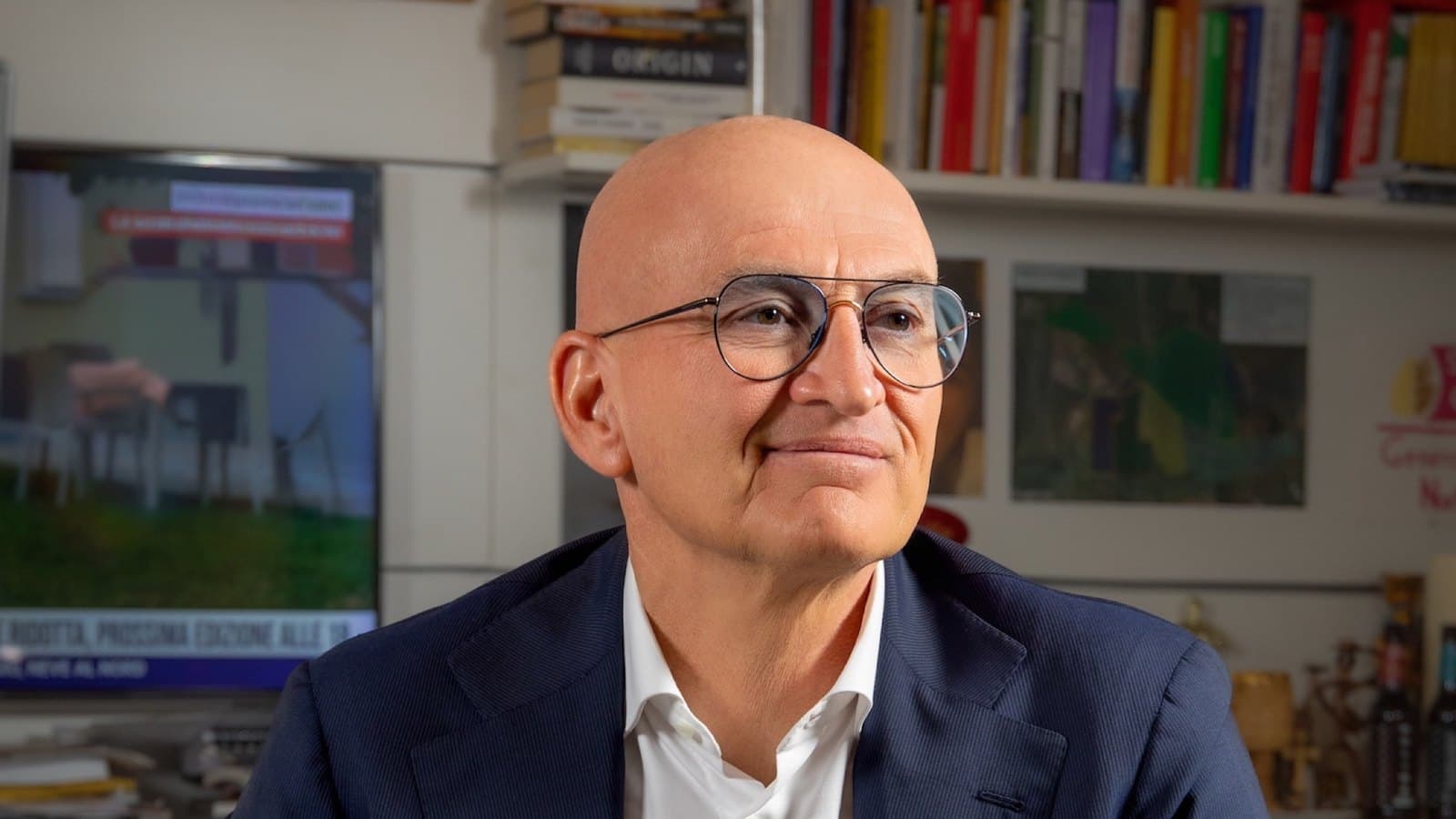
Take ten packets of pasta off any Italian supermarket shelf. Seven of them, says Francesco Casillo, contain raw material his company processed. The name on the packaging belongs to the big pasta makers. Upstream, very often, sits Casillo Spa Società Benefit, run from its headquarters in Corato, in the province of Bari. It is the largest Italian milling group, one of the world's biggest processors of durum wheat and among the main grain trading operators in Italy and in Europe, with turnover of 1,5 billion euros that the consumer almost never sees. The company is somewhat in the shadows, its president and chief executive concedes, but behind a lot of the pasta and baked goods that reach the table, it is there.
The story starts in 1958, when Francesco's father Vincenzo took charge of a small mill in Corato. It is also the story of Puglia, where companies at the time grew up in the villages around small durum wheat mills. From those first grains came the rest: other mills absorbed, leadership in soft wheat as well, where Casillo says the group now mills more than anyone in Italy, and then trading. Buying and selling grain worldwide is the company's other identity, born from purchasing for its own mills and then specialising in resale, almost always to government bodies or to other millers. Trading, though, is a business of unstable margins that lives on price swings. For at least five years, Casillo says, the group has invested heavily in innovation and in brand, with the aim of becoming an indispensable partner in creating products rather than a supplier of undifferentiated ones.
Getting away from commodity logic meant looking at the part of the grain the industry throws away. A conventional mill buys wheat, grinds it and gets two things: the flour that goes to the pasta maker or the baker, and bran, which goes into animal feed. The most nutritious part of the kernel, the germ and the layers rich in protein, vitamins and minerals, has gone into animal feed for more than a century, because its fats turn rancid quickly and would ruin the shelf life of the flour. Casillo says the group inverted that, converting the mill from a producer of flour and bran into a producer of proteins, fibres, starches and fats, turning it almost into a biorefinery.
The result is called Altograno. It cost tens and tens of millions and years of research with several universities, on a circular process that is now patented. By breaking the kernel down and putting it back together, the company produces a flour that it says contains more protein, more fibre and fewer carbohydrates than a traditional one, without the historic drawback of wholemeal products, where, as Casillo puts it, the consumer tastes cardboard and wood. He believes he has created a new product category, something that is neither traditional refined flour nor wholemeal and is difficult even to describe.
That claim is worth handling carefully, because flours enriched with wheat germ have existed for years. A wheat kernel has three parts: the endosperm, the bran and the germ, which makes up only 2 to 3 percent of the weight but holds most of the nutrition. The problem with germ, specialists say, is that once you break it its oils go rancid within weeks in contact with air. Germ flours have therefore been compromises, either short lived artisan products to be used at once, or made with toasted germ, which degrades the qualities you wanted in the first place.