
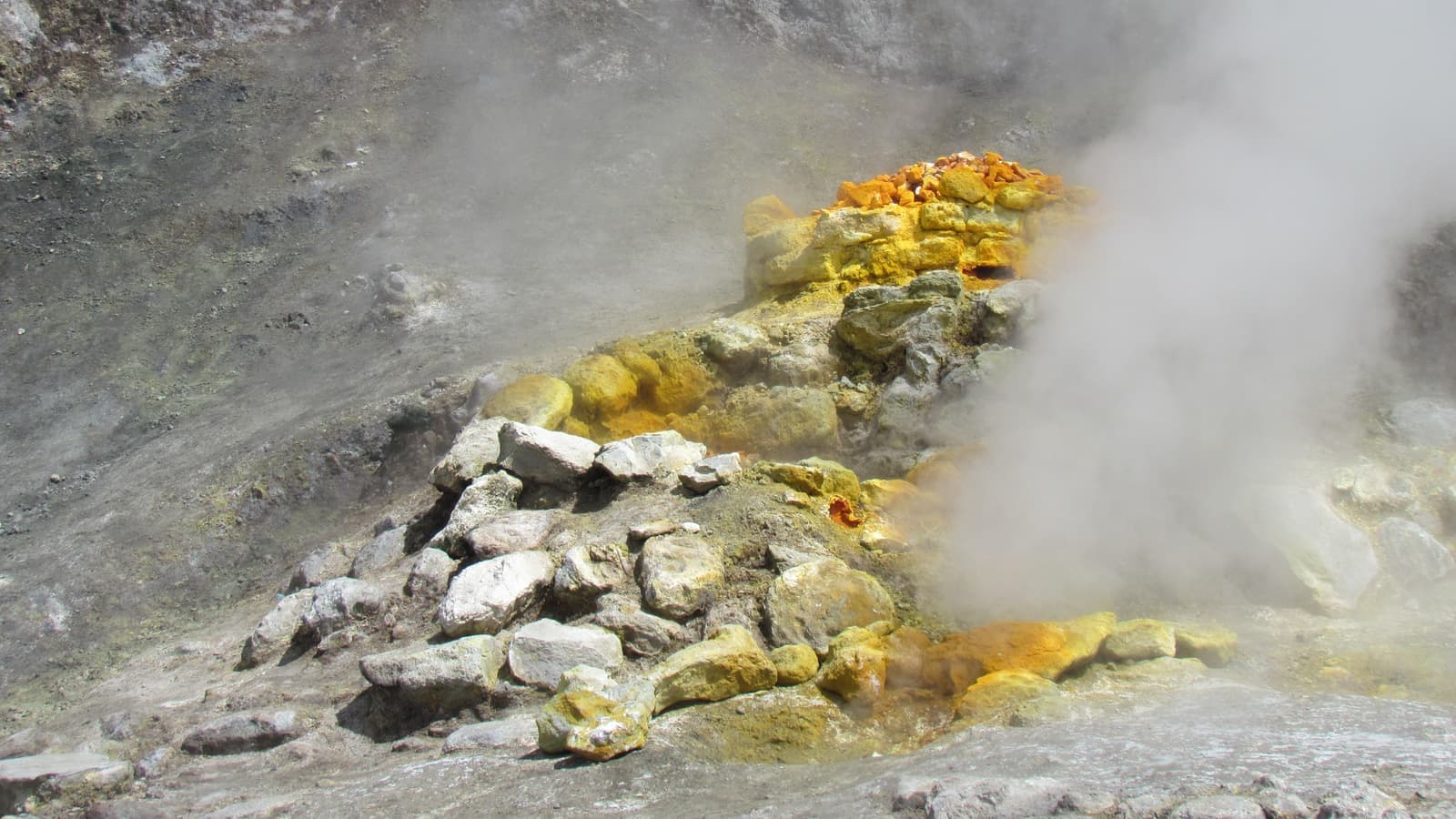
A magnitude 4.7 earthquake struck the Campi Flegrei west of Naples late on Friday, injuring 26 people and damaging property, authorities said on Saturday. The National Institute of Geophysics and Volcanology put the depth at three kilometres, which is shallow enough to be felt hard at the surface even at that magnitude.
Lorenzo Benedetto, president of the Order of Geologists of Campania, said in a statement that it was the strongest earthquake recorded in the Phlegraean Fields in the past forty years. A night of lower intensity aftershocks followed.
The area sits on Europe's largest volcanic crater and lives with tremors as a permanent condition rather than an event. What makes this one different is the scale and the official response to it: the civil protection minister, Nello Musumeci, warned that the volcanic activity is not over and urged caution.
That warning is the part worth holding on to. A single quake is a night of broken plaster and frightened residents. A period of sustained ground movement under a densely built area of half a million people is a planning problem, and it is one the Italian state has been managing in slow motion for years, through evacuation drills, building surveys and a hazard plan that most residents have never had to use.