
Unitree Robotics closed its first day of trading on Shanghai's Star Market up 629 percent from its offer price, a debut few technology listings anywhere have matched this year. Shares opened well above the IPO price and touched 1.100 yuan before slipping back below 900 yuan later in the session, a pullback that still left the stock hundreds of percentage points above where it started the morning.
The Hangzhou based robotics maker sold 10 percent of its shares at 150,8 yuan each, raising roughly 6,1 billion yuan. Demand from ordinary investors overwhelmed the offer. 9,8 million retail accounts applied for stock, and only about 0,018 percent of orders were filled, leaving the retail tranche oversubscribed more than 5.500 times over.
By the close, Unitree's market value stood at roughly 445 billion yuan, or about 66 billion dollars, making it the first humanoid robot maker to list on a mainland Chinese exchange. The timing was not incidental. The listing landed in the same week as Beijing's World Robot Conference, and it arrives on top of years of state support for advanced manufacturing that has pushed Chinese robotics firms toward the front of the industry.
The biggest winner on paper is Wang Xingxing, the company's 36 year old founder, who also serves as president, chief executive and chief technology officer. His fortune had already crossed the billionaire mark earlier in August, when a funding round ahead of the listing valued his stake at 2,4 billion dollars. The IPO multiplied that figure more than six times over, putting his net worth at roughly 16 billion dollars by the time trading closed.
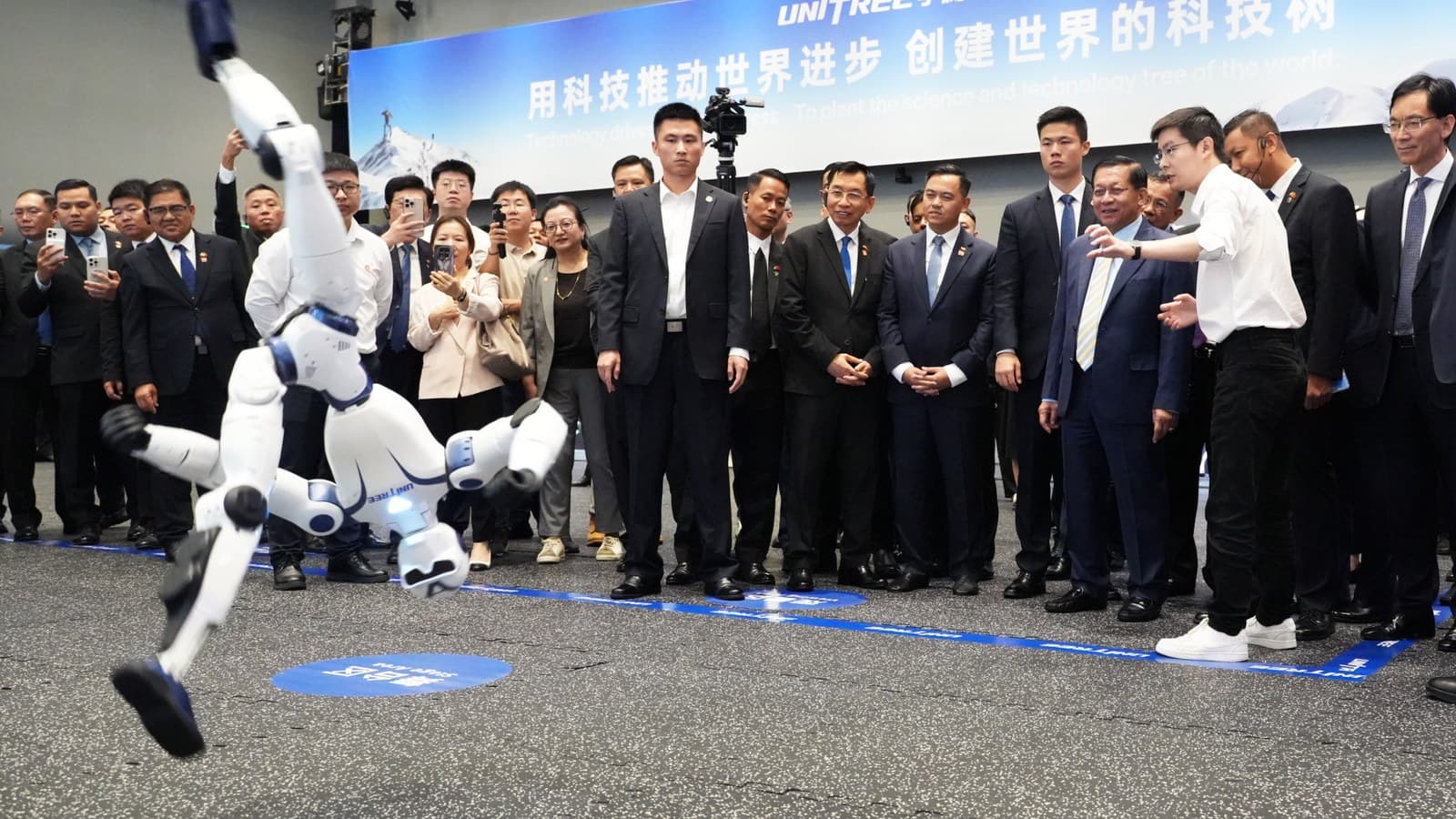
What happens next matters more than the first day pop. A stock that gains 629 percent and then gives back a fifth of that gain within hours is telling investors two things at once, that appetite for humanoid robotics is real, and that pricing it is still mostly guesswork. Unitree's engineers have spent the past two years building robots that can walk, fight and now somersault in front of live audiences. Turning those demonstrations into the kind of steady revenue that justifies a 66 billion dollar valuation is the harder trick, and it is the one the market will be watching for next.