
Europe's great wine families are living with a contradiction. Their names have never carried more prestige, and their future has never been less certain. The climate is redrawing the map of where vines can be grown, younger buyers are rewriting what luxury even means to them, and the global market keeps splintering into smaller pieces.
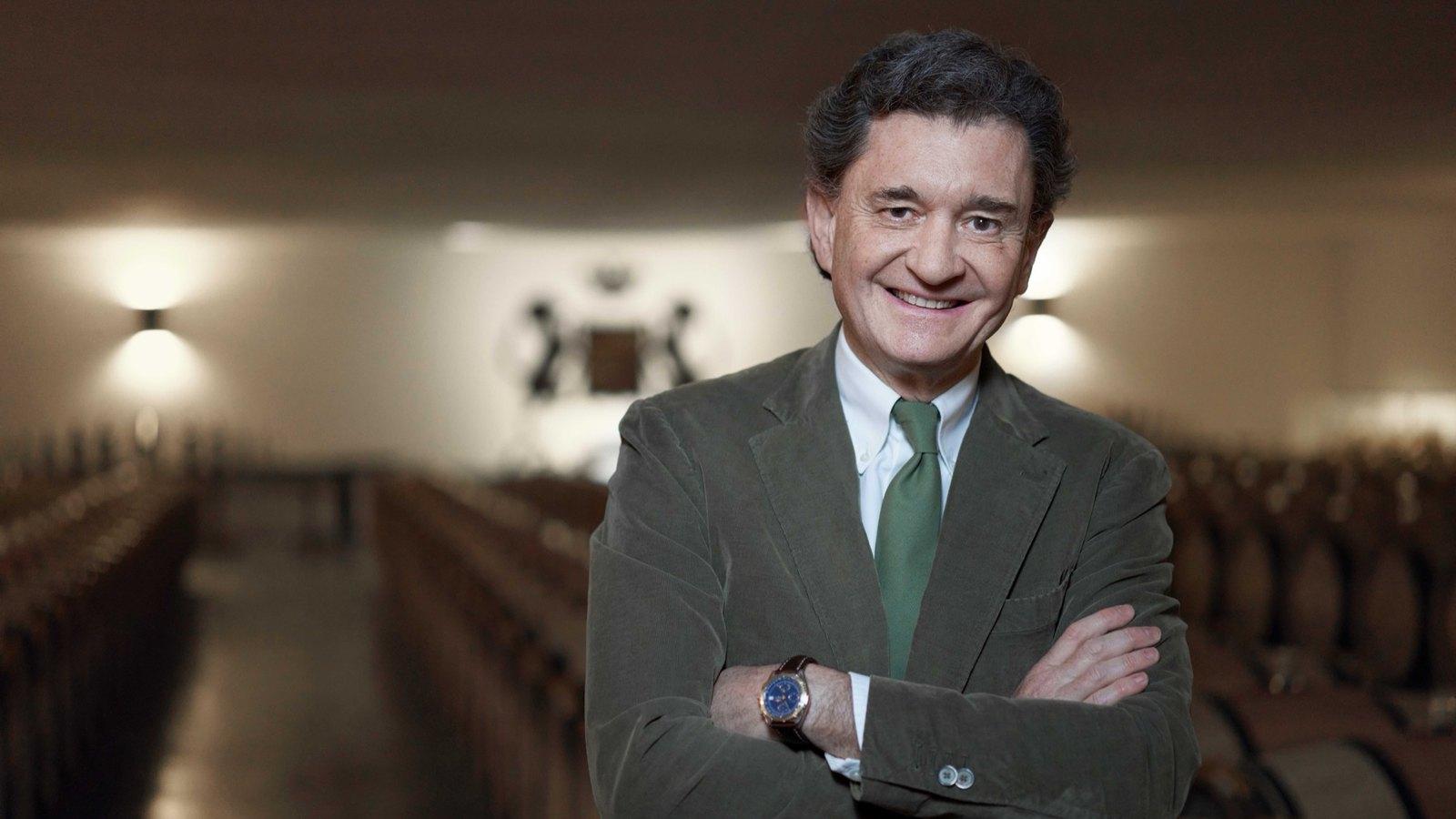
Philippe Sereys de Rothschild runs the group built around Chateau Mouton Rothschild in Pauillac, together with his sister Camille Sereys de Rothschild and his brother Julien de Beaumarchais de Rothschild. The three inherited it from their mother, Baroness Philippine de Rothschild, and before her from their grandfather, Baron Philippe. His argument is that roots are not nostalgia but infrastructure, and that in a fast moving world solid foundations are what let you move at all.
The time horizon is the part outsiders tend to miss. Planting a vine means committing to a decision for at least forty years, which forces the business to think in generations rather than quarters. Each generation contributes in the terms of its own moment, he says, without chasing fashion and without drifting off course.
In Bordeaux climate change stopped being a forecast some time ago. Every harvest now shows its effects and, in the same breath, teaches the estate how to adapt in the vineyard. With droughts arriving earlier and recurring, water management is the first challenge. The second follows from the first: a vineyard is planted for decades, and what suits the site today may not suit it later. Preserving the diversity of the plant material is where he says part of the answer lies. Disease control is the third, complicated by regulation, environmental pressure and social expectation all arriving at once. A dedicated research and development team works across those problems, with results shared between estates and research bodies and then taken back into the vineyard.