
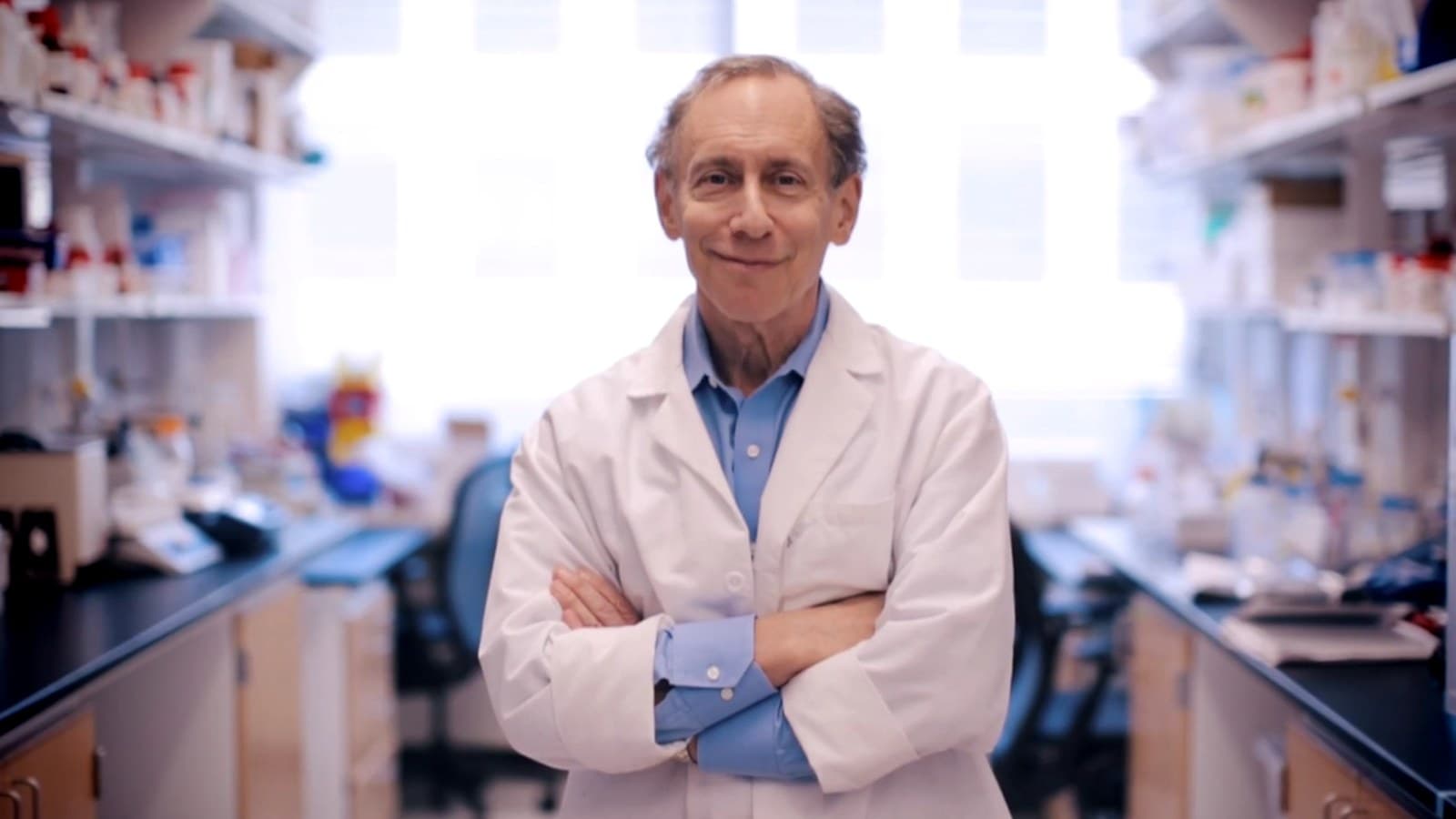
Robert Langer, the MIT scientist who co-founded Moderna, went to bed Tuesday worth about 730 million dollars and woke up Wednesday worth roughly 1,7 billion, after the company he helped start released Phase 3 trial results for an experimental melanoma vaccine. Moderna shares surged 156 percent that day, adding more than 100 dollars to the stock price and taking it to about 161 dollars, the kind of single day move usually reserved for a takeover announcement rather than a clinical trial readout.
The trial data behind the jump showed the vaccine, which pairs Moderna's mRNA technology with Merck's immunotherapy drug Keytruda, reduced the recurrence of aggressive skin tumors and extended the time patients went without their melanoma coming back. For a company that built its fortune on a Covid vaccine now years past its peak demand, results pointing toward a durable cancer franchise were exactly the kind of news investors had been waiting for.
Langer still holds about 3 percent of Moderna, though the exact size of his stake is no longer disclosed publicly the way it once was. That holding had been worth 343 million dollars as recently as the start of January, meaning Wednesday's rally alone did not just restore his fortune, it multiplied what remained of it several times over in the space of a single trading session.
He was not the only insider whose net worth moved. Noubar Afeyan, another Moderna co-founder, saw his wealth rise to about 2,1 billion dollars. Chief executive Stephane Bancel gained roughly 2,5 billion dollars in a day, taking his fortune to around 4,8 billion. Timothy Springer, an early investor and Harvard immunologist, saw his stake climb to about 2,2 billion dollars.
For Langer, the swing is a reminder of how closely his own finances track a single company's clinical calendar. He has co-founded dozens of biotechnology firms over a career built on drug delivery research at MIT, but none has moved his net worth the way Moderna has, first on the strength of a vaccine that reached hundreds of millions of arms during the pandemic, and now on the promise of one aimed at cancer instead.