
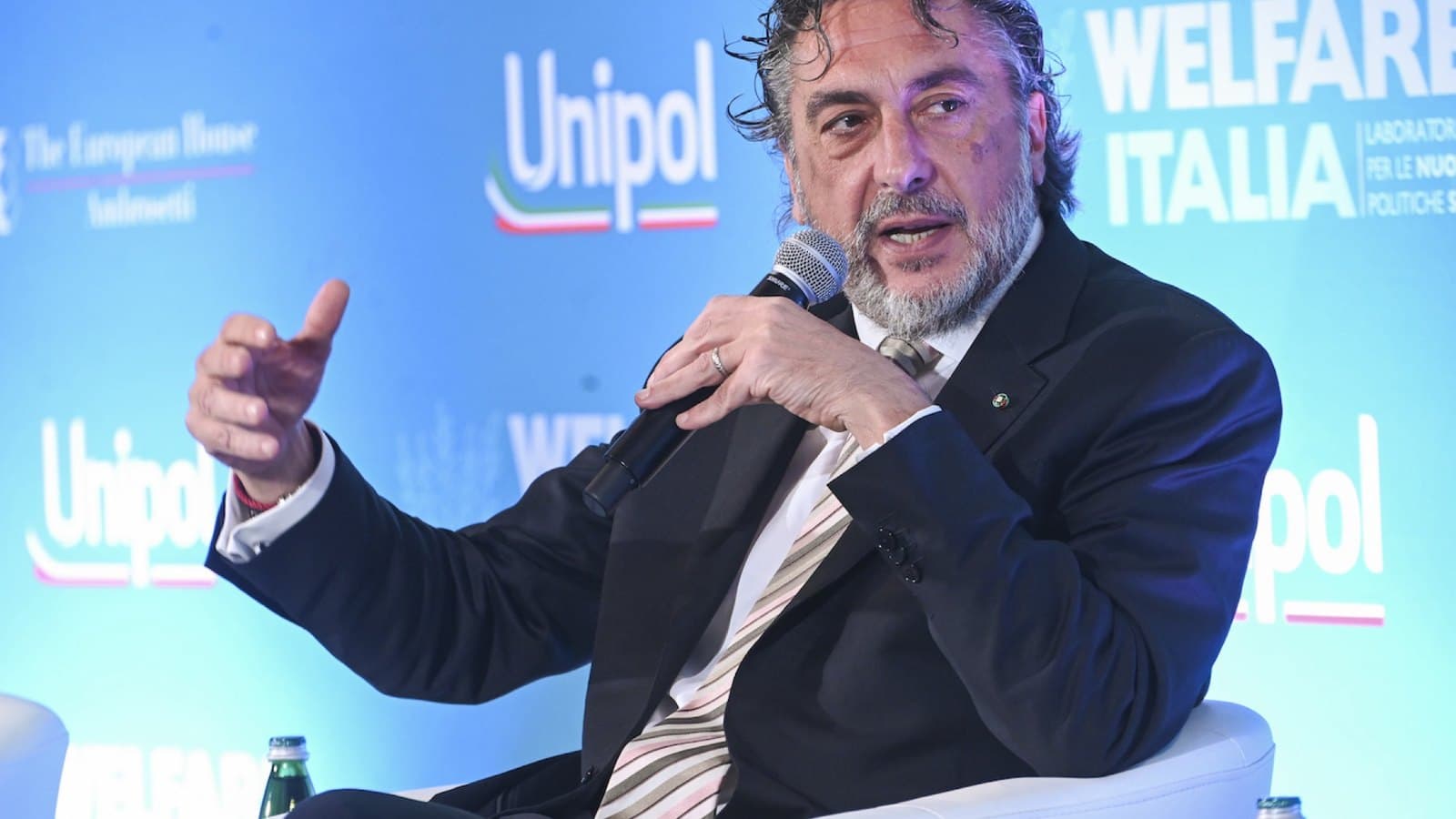
Unipol is trying to become something other than a large insurance group. The strategy its management has set out is a financial player standing on two legs, one insurance and one banking, with Bper meant to become the main pillar of the second.
The design came into focus with the first half results published last week, which showed net profit of 1,06 billion euros, up 42 percent year on year including the contribution of the associate Bper to 30 June. That confirmed the financial solidity of the group led by chairman Carlo Cimbri and chief executive Matteo Laterza, and the weight of the bank run by Gianni Franco Papa.
The ambition is to sit closer to the centre of the new phase of Italian banking consolidation, using the agreement signed with Intesa Sanpaolo as part of the operation on Monte dei Paschi. Analysts at Barclays Research read that agreement as an attempt to turn the group into a new financial champion. The larger news came out of the results call: Cimbri intends to lean on the strongest banking asset he has, Bper, where Unipol is the largest shareholder with 19,9 percent, and to take that holding above 30 percent in the new financial entity that would emerge once the Monte dei Paschi assets are folded into Bper. Under the Intesa agreement, if the offer on Monte dei Paschi succeeds, Bper takes over and absorbs 635 of its branches.
The point is not simply to help Bper grow on Monte dei Paschi assets. It is to use that growth to increase Unipol's own weight inside the bank. The money question is how, given the 3,5 billion euros needed for the Rocca Salimbeni assets in the first place. Laterza's answer is excess capital, which he says already puts Unipol on track to beat its business plan target and which the group already knows how to spend: on the acquisition of the Monte dei Paschi assets, alongside the 2,5 billion capital increase it hopes to complete by the end of the year.