
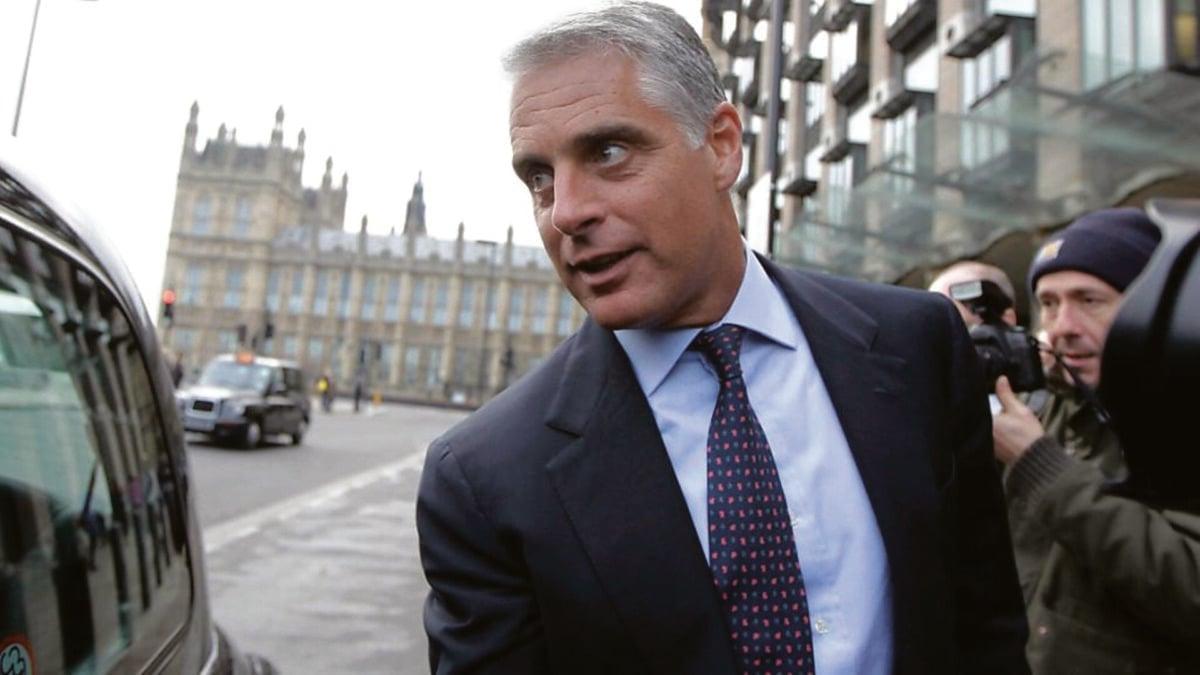
The agreement reached between UniCredit chief executive Andrea Orcel and the German government removes the main political obstacles to the Italian bank's acquisition of Commerzbank. Germany's second-largest banking group is now close to changing hands, opening the way to the decisive phase of the takeover launched from Milan's Piazza Gae Aulenti.
The next steps have been set for the first quarter of 2027, when UniCredit will ask Commerzbank to convene an extraordinary general meeting to elect the new members of the Supervisory Board. This body, which performs oversight functions under the German governance model, will be responsible for appointing the members of the Management Board, the bank's true executive committee.
Commerzbank's governance and Bettina Orlopp's role
The new Supervisory Board will decide the composition of the Management Board and, consequently, the fate of Commerzbank's current chief executive, Bettina Orlopp. Once the new governance structure is completed, UniCredit will be able to apply the industrial plan called "Commerzbank Unlocked" to the German institute, aimed at unlocking hidden value through synergies, rationalisation and revenue growth.
If completed, the deal would represent one of the most important cross-border banking acquisitions in Europe in recent years and would transform UniCredit into a group with a decisive presence at the heart of the German economy.
The eight principles of the Berlin agreement
To overcome German political resistance, UniCredit has accepted eight binding principles designed to ensure that Commerzbank remains, in identity and operations, a German bank. The first principle provides for strengthening Frankfurt's role as the German headquarters of the group, confirming the city as the main hub for business in the country.
The second point establishes that Commerzbank and the future combined entity will remain listed in Frankfurt, preserving the legal form of a German stock corporation. In addition, adequate representation of Commerzbank and HypoVereinsbank will be guaranteed on UniCredit's group executive committee, so that the German voice is present in strategic decisions.
Other points concern support for German medium-sized businesses, the Mittelstand, capital allocation and decision-making autonomy in Germany, as well as significant investments in Frankfurt in training, digital technologies and artificial intelligence. Finally, UniCredit has committed to continuous dialogue with works councils and trade unions, respecting existing agreements to protect employees.
Hvb and the reverse merger
One of the most discussed scenarios is the possible reverse merger of Hvb, the German bank already 100% controlled by UniCredit since 2005, into Commerzbank. Orcel stressed that, from his point of view, "it is not a problem", but recalled that under German law 18 months are needed to reach a single legal entity.