
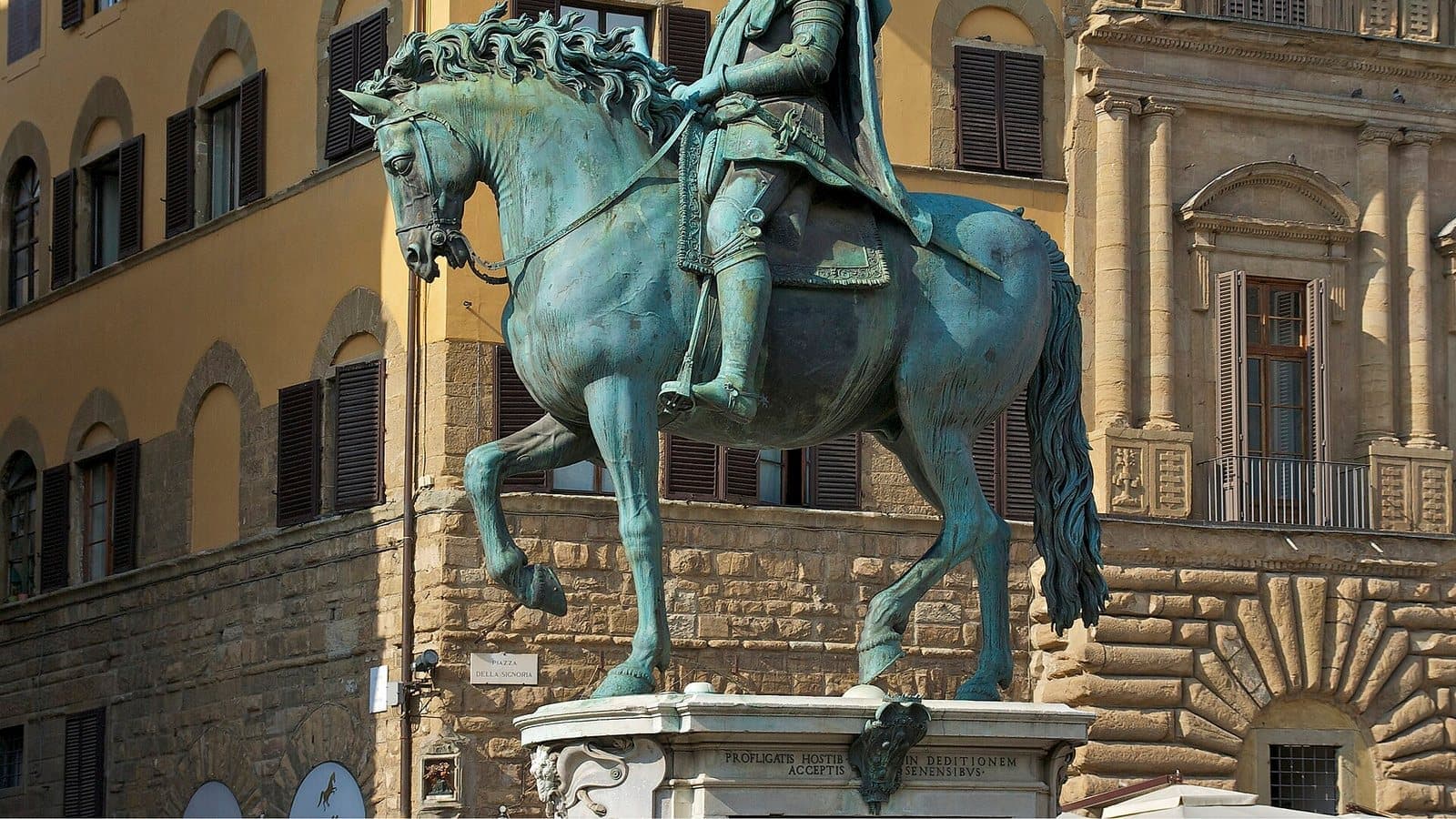
This season's numbers look excellent and read as a warning depending on where you stand. Occupancy in the major art cities is high, average room rates are higher than last year, and revenue per available room is up. Underneath those figures the mix of visitors is changing in a way that operators outside the largest cities find worrying.
The pattern is straightforward. Rates in the historic centres have risen faster than incomes in the markets that supply most European visitors. Guests who once stayed three nights in the centre now stay two, or stay outside it and travel in. Spending inside the walls falls even as the room rate rises, which is a good year for a hotel and a harder one for the restaurant two streets away.
Second tier destinations should be the beneficiaries, and partly they are. Towns within an hour of the major centres report longer average stays and better midweek occupancy. What they do not have is the transport frequency to convert that into a reliable season. A visitor will accept a base outside the centre if the train runs late enough to get back after dinner, and in much of the country it does not.
The policy question this raises is not about caps or fees, which is where the argument usually goes. It is about whether the regional transport timetable is treated as a tourism instrument. Extending evening services on a handful of regional lines would redistribute demand more effectively than any levy currently under discussion, and it is the one lever that local administrations can pull without waiting for Rome.