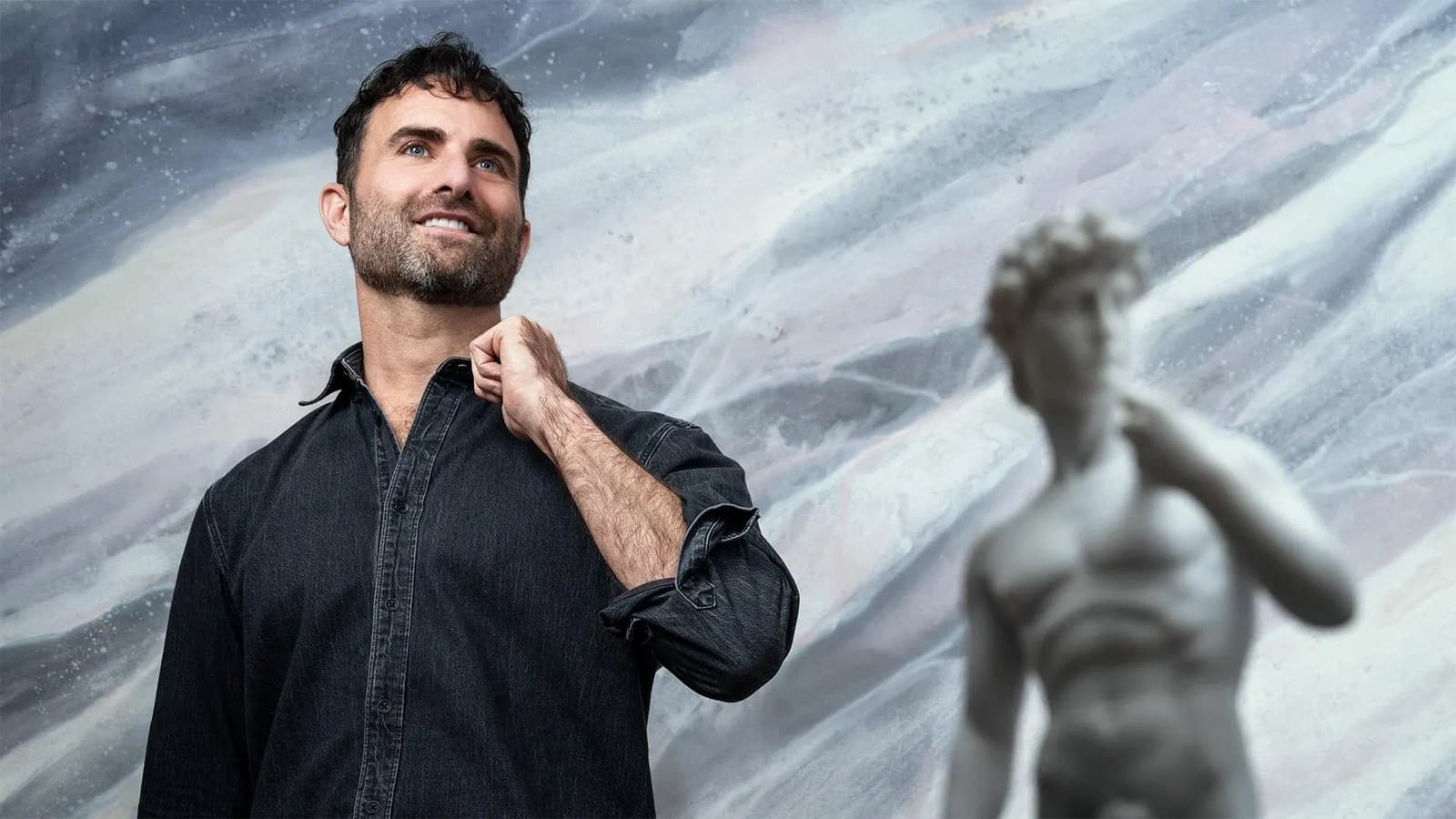
Peter Rahal has now made a billion dollar fortune doing essentially the same thing twice. In 2013 he and his childhood friend Jared Smith started RxBar in his parents' kitchen with 10.000 dollars, built it into a protein bar brand recognizable enough that Kellogg bought it in 2017 for 600 million dollars, a deal that put roughly 230 million dollars in Rahal's pocket after taxes. He was 31.
Rather than retire on that, Rahal built a family office called Litani, meaning humble lion, and spent the years since quietly investing more than 50 million dollars across roughly 100 companies, including stakes in the soda brand Olipop, now valued at 2 billion dollars, and LesserEvil, the snack company Hershey bought for 750 million dollars. Then, in September 2024, he went back to the category that made him rich the first time, launching a new protein bar brand called David with the entrepreneur Zach Ranen, who left the venture in early 2026 to pursue other projects.
David generated an estimated 100 million dollars in revenue in its first year, and now sits inside a holding company, Medici Brands, alongside HallPass, a low calorie candy line that just launched at Walmart in August, and Epogee, a food technology company that makes a fat substitute called esterified propoxylated glycerol. Medici is projecting more than 300 million dollars in revenue by the end of 2026, a pace the company describes as the fastest growing in the food industry, with David bars now stocked in roughly 35.000 stores including Walmart, Target and Costco.
What made Rahal a billionaire on paper was not David's sales figures but a financing round. Medici Brands raised 250 million dollars this September at a valuation of 2,25 billion dollars, with Rahal putting in another 20 million of his own money and retaining roughly 70 percent of the company. That stake alone is worth an estimated 1,9 billion dollars, meaning a food conglomerate still working toward its first 300 million dollar revenue year has already made its founder wealthier on paper than the sale that funded it in the first place.
Rahal has described his approach to building brands as something closer to an artistic standard than a marketing exercise, saying a brand should represent something and inspire people the way great art does. Whether that philosophy is what actually gets a protein bar onto 35.000 store shelves, or whether it is simply the story a founder tells after the second billion dollar outcome in a row, is harder to separate than Rahal makes it sound, but at this point he has built the same kind of business twice and gotten paid for it both times.