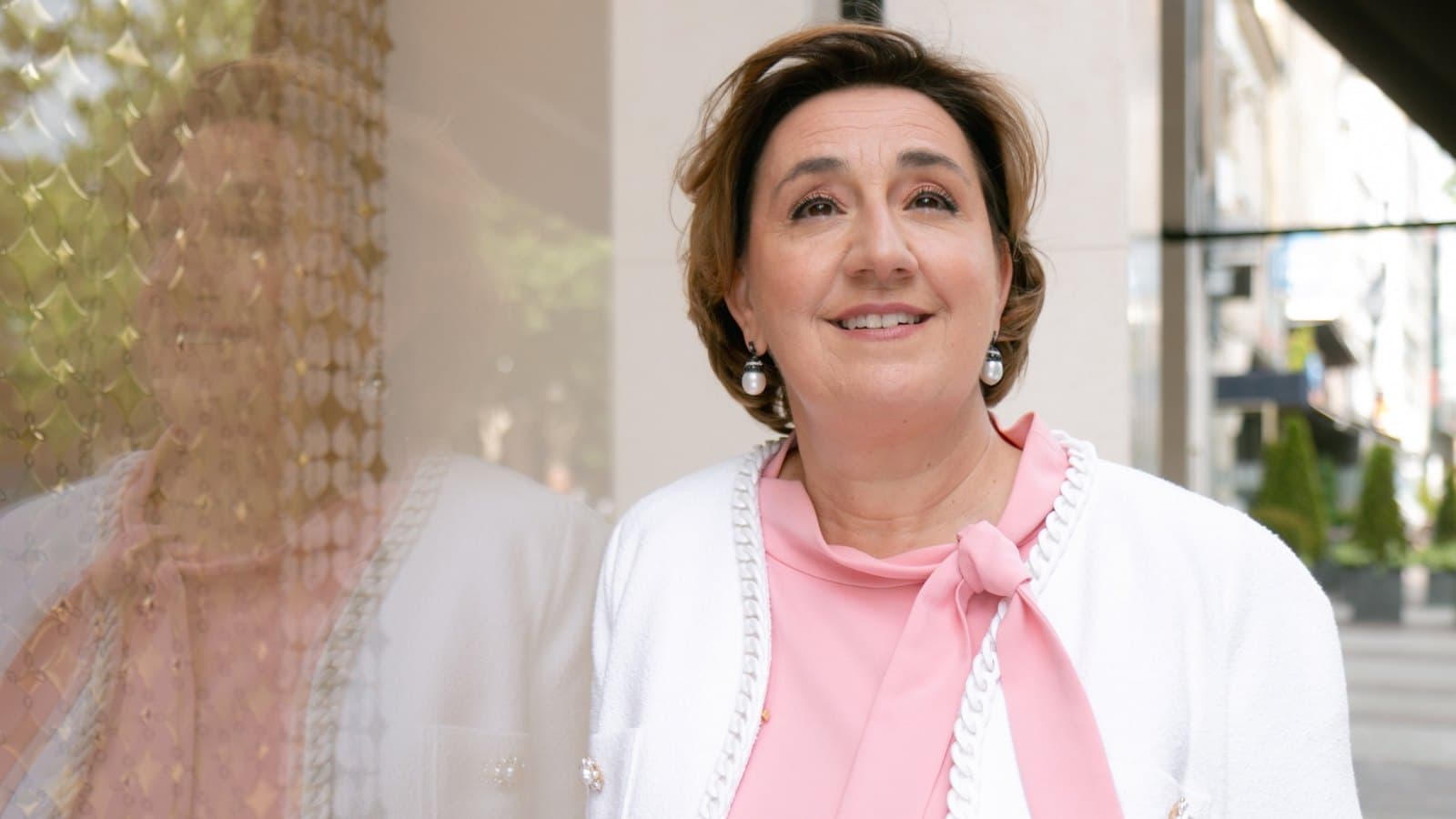
Steel and international trade are living through geopolitical uncertainty, volatile markets and fast moving technology, and the temptation is to describe the difficulty in those terms. Marie-Christine Mariani, who founded MCM Steel in 1998, describes it differently. The greatest challenge today, in her account, is human: preserving trust in a world that is changing very quickly.
The industry she entered was male dominated and highly competitive, and she says her career was built step by step, often in environments where she had to constantly prove her legitimacy. Early on the focus was business development and opportunities, and that view changed over time. She came to think that real leadership is not only about doing business but about creating a vision, inspiring trust and opening new paths. International experience and the obstacles that came with it produced an approach she describes as more intuitive and more strategic.
Luxembourg is part of the story rather than an address on the letterhead. Despite its small size, she notes, it has a genuinely international mindset and strong credibility in business, and building an international operation from there let her connect different cultures and markets. This year MCM began construction to extend its plant with new machinery and more artificial intelligence, a decision that followed what customers were asking for rather than preceding it.
The recognition has accumulated. She was one of six finalists in the EY Entrepreneur Of The Year 2025 initiative. In 2012 she was named Woman Business Manager of the Year in the award organised by the Banque Internationale à Luxembourg, and in 2011 she received the first Export Award given by Luxembourg's export credit agency. Before any of the steel business, she competed in major cycling events including the Giro d'Italia and the Tour de France.
Asked what she is most proud of, she does not name any of those. It is the trust that partners, clients and collaborators continue to place in her today, across different countries and cultures, which is the same asset she named as the hardest one to keep.