
Golf has always had a particular ability to turn time into a resource. Four hours on a course allow you to watch people, share conversations, take decisions and build relationships with a depth few other settings offer. It is a quality the sport has carried from its origins, and one worth more in an age defined by speed and by fragmented relationships. In Rome, one of the places that reads that dimension best is the Golf Club Parco di Roma.
A course inside the Parco di Veio
Set within the Parco di Veio, among landscapes that hold the character of the Agro Romano and areas of archaeological interest, the club occupies a privileged position minutes from the centre of the capital. It combines accessibility and environmental quality, two things increasingly sought by professionals, entrepreneurs and enthusiasts who want to reconcile sport with quality of life.
The eighteen hole course carries the signature of the American architect P.B. Dye, who built his first European project here. The design follows the natural run of the ground and works with the surrounding landscape. Fairways, greens and hazards are set in conversation with the Mediterranean vegetation, producing a varied and absorbing round. The technical side remains central and is one of the reasons the club holds the reputation it does in Italian golf.
Beyond the game
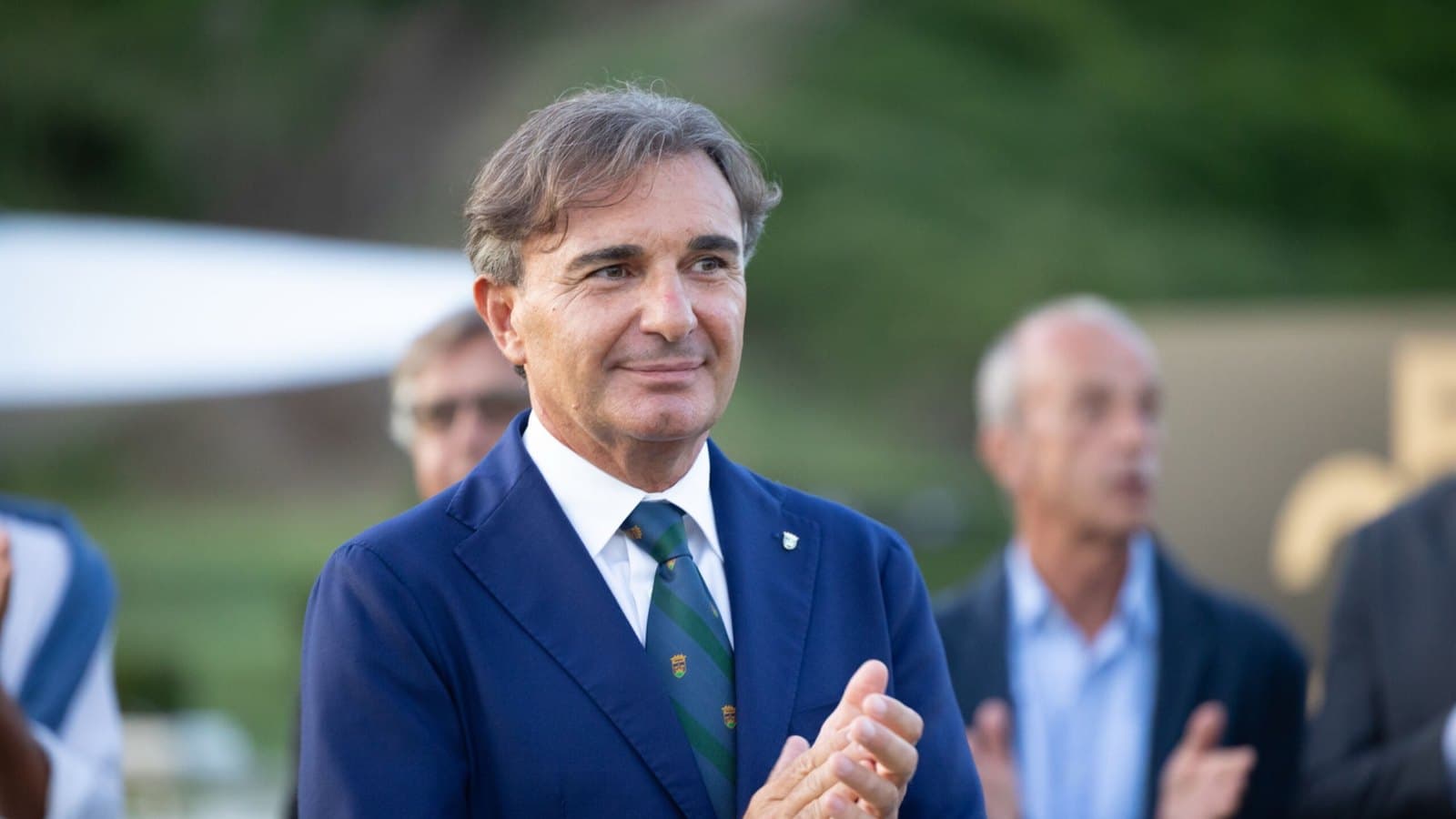
In recent years, under the presidency of Pietro Gasbarra, Parco di Roma has developed an identity that runs past the boundaries of the sport. The club has widened its functions and its opportunities, drawing in companies, cultural organisations, professionals and institutions interested in using the space as somewhere to meet and talk. Corporate gatherings, presentations and cultural events now sit naturally alongside the daily sporting programme, creating a busier environment that still keeps golf at the centre of its identity.
The result is an ecosystem where people from different fields share interests, experience and projects. The strength of the model lies in how unforced the relationships are. A round, a lunch in the clubhouse or a day given over to a tournament becomes an occasion to start conversations and deepen professional relationships. The game encourages that by its own rhythm and length: a course gives you the time to get to know someone, to disagree with them and to build trust.
Sport, hospitality and the network
In many international markets the more developed golf clubs have taken on the role of relational platforms, and Parco di Roma sits inside that trend with an offer that folds together sport, hospitality, wellbeing and business. The quality of the experience becomes as strategic as the quality of the course. Attention to detail defines the character of the place, with service, organisation and welcome combining to create an environment where each member can find their own space. The atmosphere is one of the things regulars value most, professionalism and warmth pulling in the same direction and feeding a sense of belonging that gives the membership its value.
Wellbeing takes on a wider meaning here too, through contact with nature, physical activity in the open air and the chance to spend time somewhere of quality. All of it changes how a day feels, and turns the club into a destination for the whole week rather than a weekend fixture, holding sport, work and sociability together.
What sports clubs are becoming
Watching how the Golf Club Parco di Roma has developed raises a question about what sports clubs can be now. The more dynamic ones generate value through their ability to connect people, ideas and skills. Golf remains the starting point of the experience, while the setting creates encounters that extend well past the course. It is in that combination of sport and relationships that Parco di Roma has found its position: a place where the game keeps its appeal intact and where any meeting can turn into an opportunity. The formula reflects what a new generation of members wants, and tells the story of one of the more interesting clubs in the capital.