
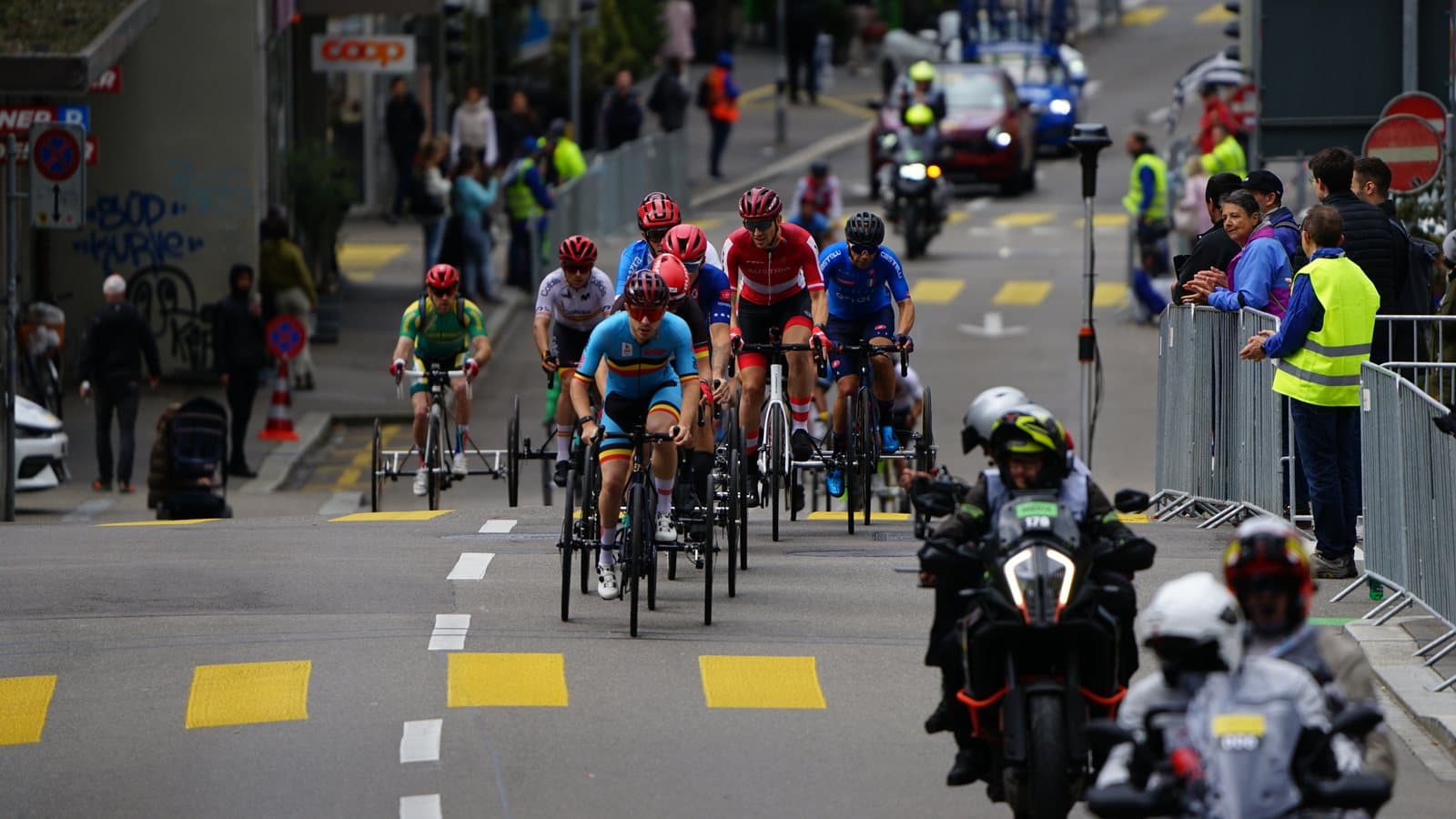
The bill for hosting a stage of a major cycling race is larger than the hosting fee. Road resurfacing, barriers, policing, waste, and the staff time to coordinate all of it are real costs, and for a small comune they are a meaningful share of an annual budget.
The towns that come out ahead are consistent about how they do it. They pick works that were already needed and use the race date as the deadline that finally gets them done. Resurfacing a road that was scheduled anyway, repairing a piazza, or finishing a cycle path becomes a project with an immovable date, and immovable dates are the scarcest resource in local public works.
The towns that lose money are equally consistent. They spend on the day itself: temporary structures, hospitality, decoration, and services that exist for six hours and then leave. The television coverage is the same in both cases. What differs is what is standing in the town the following week.
There is a version of this argument that dismisses the whole exercise as expensive publicity, and it is too simple. A stage host gets a national audience, a reason to finish delayed works, and a weekend that local businesses plan around. Whether that is worth the cost depends entirely on which of the two spending patterns the administration chooses, and that choice is made months before the race arrives.