
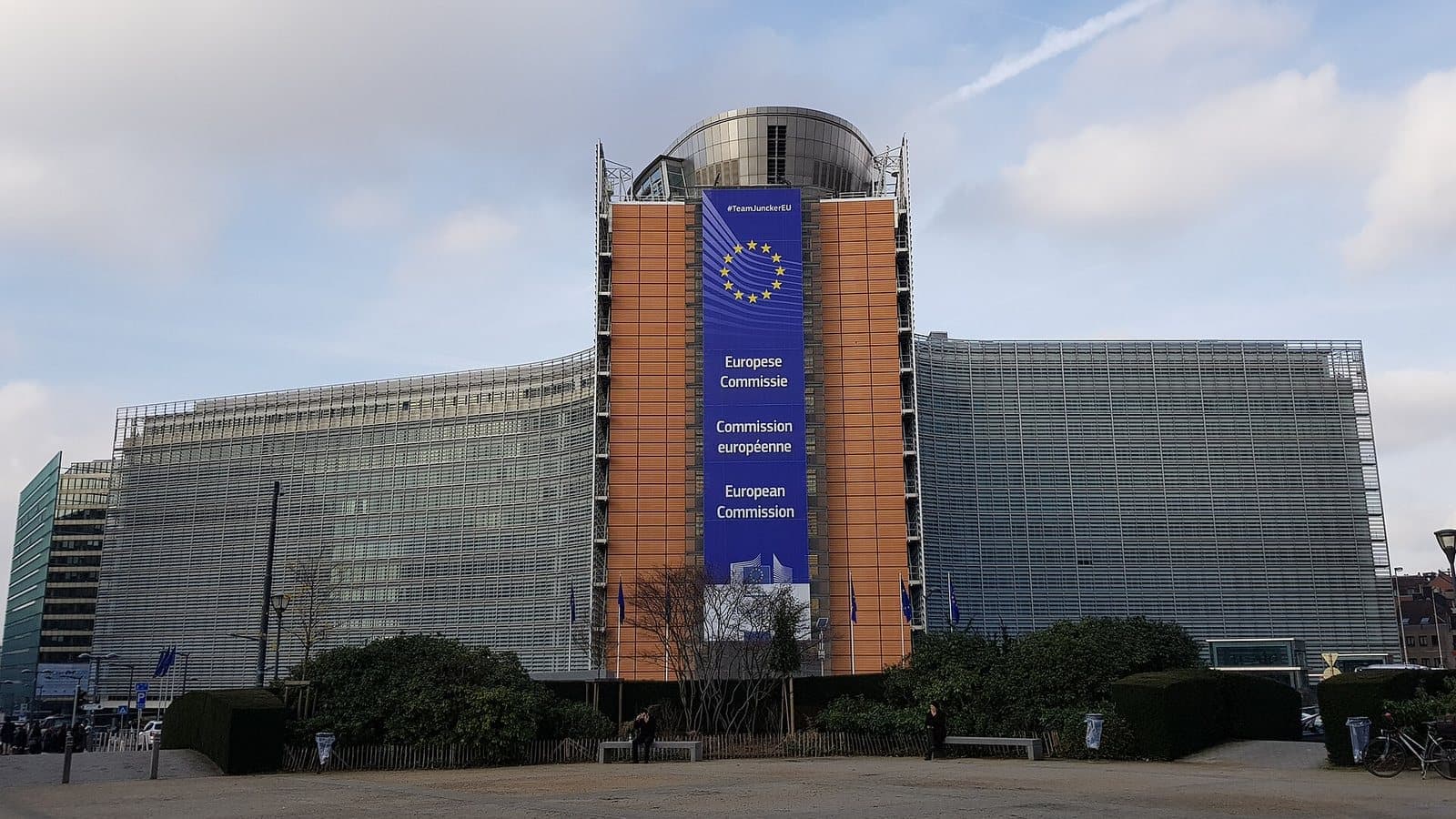
The next multiannual European budget will be argued about for two years, and the substantive dispute is already visible. It is not primarily about the total. It is about which headings grow and which are asked to fund that growth.
Defence industrial capacity, competitiveness instruments, and border management have political momentum. Cohesion policy, which transfers money to poorer regions and which Italy draws on heavily in the south, does not have the same momentum, and in a budget where the total is politically capped, momentum is how money moves between headings.
The Italian position has been to argue about the design rather than the number. Officials have pushed the case that cohesion spending in southern Europe and competitiveness spending are not alternatives, since the industrial capacity everyone now wants to fund has to be built somewhere, and the places with available land, workforce, and grid connections are frequently the same regions cohesion policy exists to support.
That argument has the advantage of being true and the disadvantage of being slow. Competitiveness instruments are typically managed centrally, allocated by call, and awarded on the quality of the application, which favours regions with the administrative capacity to write good applications. Cohesion funding is allocated by need. Moving money from the second to the first changes who gets it, whatever the headline says about the total.