
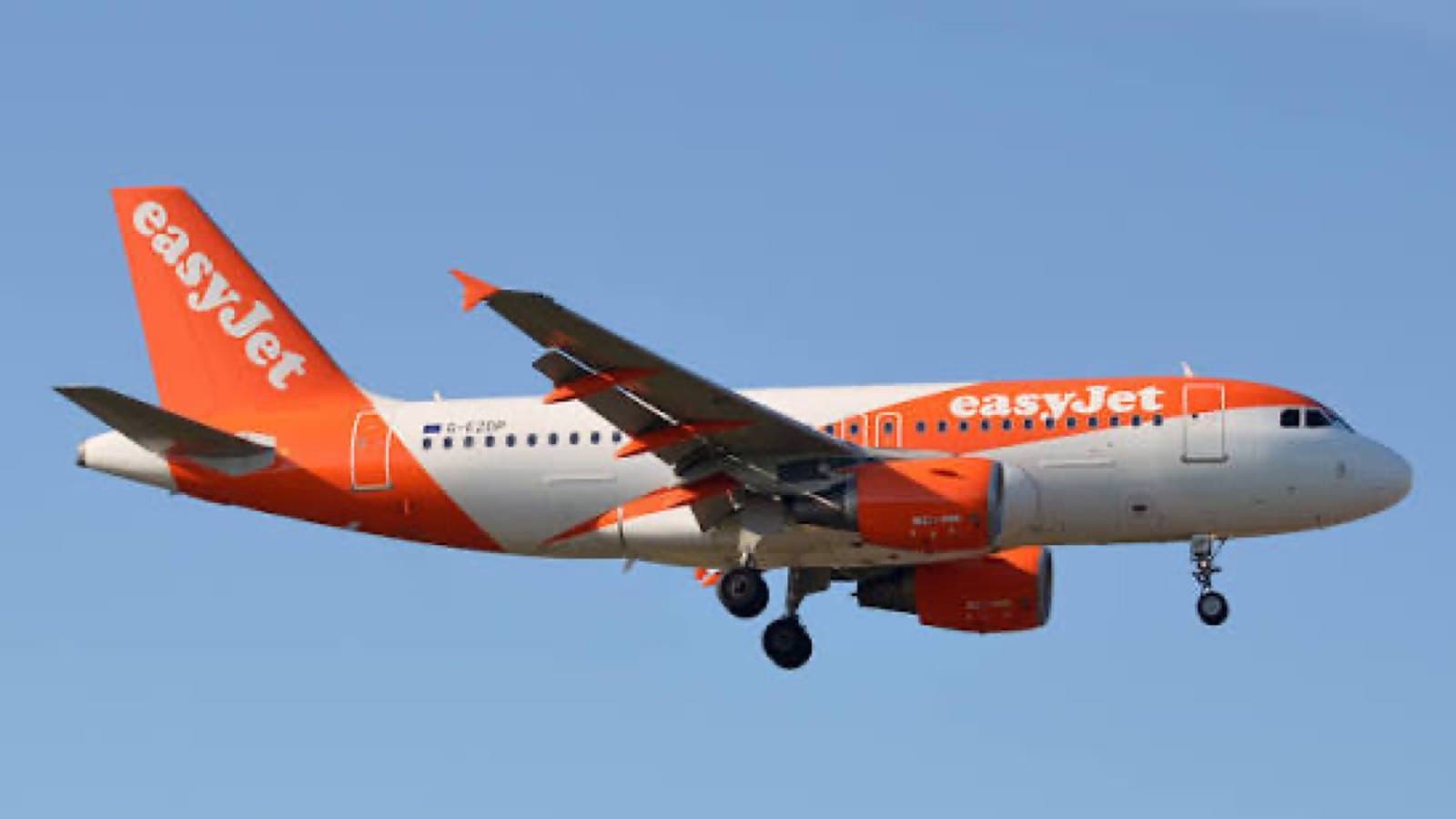
The contest for easyJet that ran through the spring and summer of 2026 is over. The British low cost carrier has been acquired by the American fund Apollo Global Management for 7,7 billion dollars, or 5,7 billion pounds, which is 6,6 billion euros. The rival fund Castlelake chose not to bid again.
The easyJet board judged the offer, entirely in cash, to be fair and reasonable. Stephen Hester, non executive chairman, said in a statement that while the company remains confident in the strength of its business and in what lies ahead, the offer properly recognises the quality of what has been built and delivers immediate, certain and attractive value to shareholders. The price is a premium of roughly 81 percent over the closing price of 3,94 pounds on 28 May, the last trading day before the two American funds went to work.
Apollo is a private equity firm that raises money from private investors and puts it into companies that are not listed. It manages around 1,05 trillion dollars of assets and has form in aviation, having invested in Sun Country Airlines, Aeromexico and Atlas Air and backed Air France-Klm, Latam, Virgin Atlantic and SAS. Castlelake had made five successively higher offers, reaching 5,5 billion pounds, before Apollo arrived in July with a larger one and Castlelake declined to go again.
The ownership structure is where the deal gets delicate. easyJet is listed in London and headquartered in the United Kingdom, but operates inside the European Union through a subsidiary, easyJet Europe. European rules require the airline to be majority owned and controlled by a European entity, and regulators wanted to know how Apollo intended to satisfy them. The answer is that Apollo will hold 49,9 percent, while the majority goes to the Cypriot Haji-Ioannou family that founded the airline, keeping it European. A management trust based in the European Union will be able to hold up to 5 percent.
Apollo intends to delist the company. Taking it private leaves it less exposed to the turbulence of public markets at a moment when the war in the Middle East has been driving costs. The closure of the Strait of Hormuz sent fuel prices and the cost of kerosene sharply higher, and geopolitical uncertainty has been difficult to absorb quarter by quarter in front of public shareholders.
What drew the funds in the first place was the network and the competitive position. easyJet holds take off and landing slots at some of Europe's most congested airports, among them London Gatwick, Paris Orly, Milan Malpensa and Geneva. Those slots are close to impossible to replicate. The brand is established in low cost aviation, and demand for travel has been recovering.