
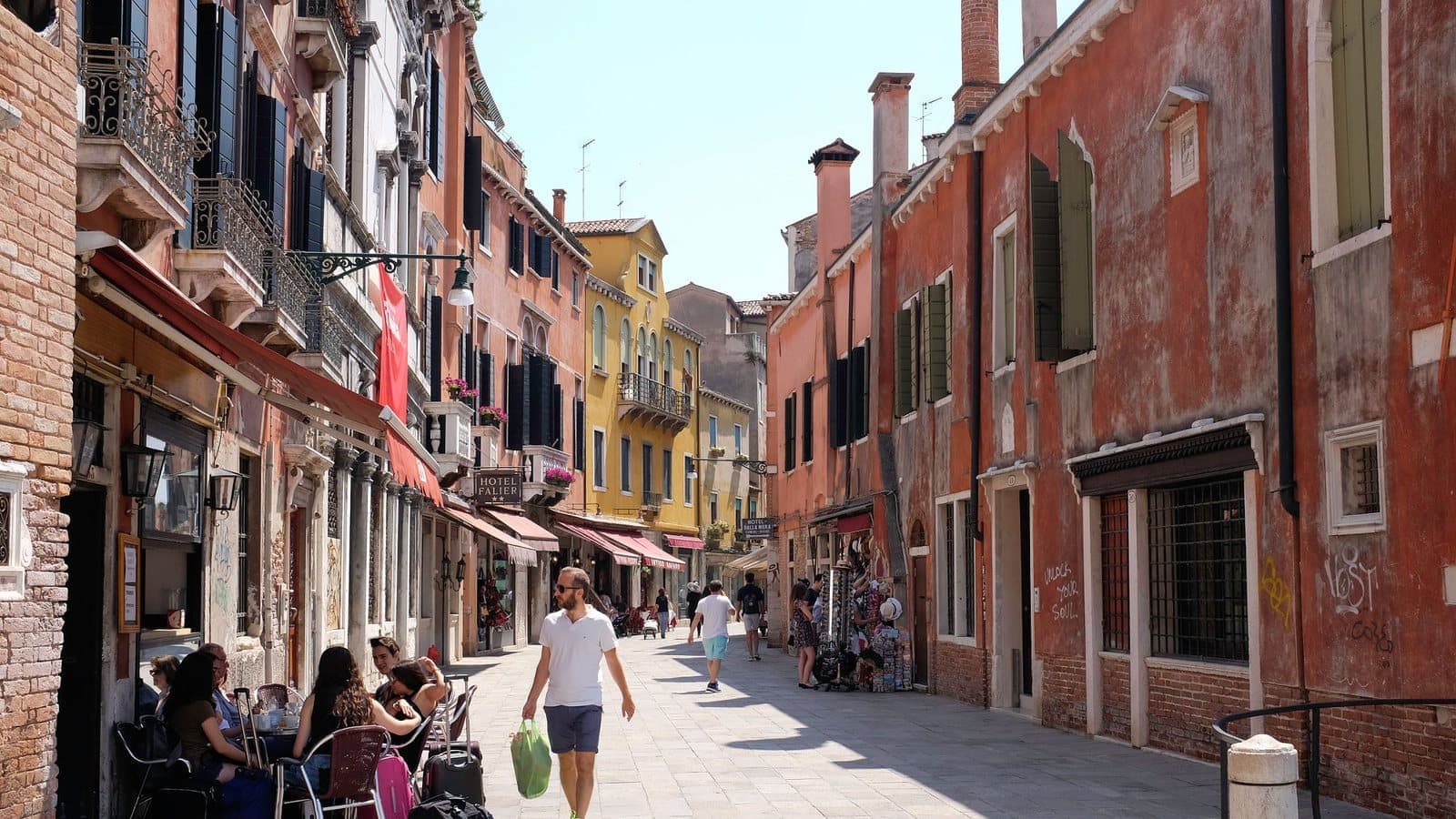
Every summer produces a fresh round of measures aimed at visitor numbers in Italy's historic centres: entry fees, coach restrictions, timed access, and limits on group sizes. Some of these are sensible crowd management. None of them addresses why residents leave, because the thing driving residents out is not the crowd. It is the rent.
The mechanism is simple enough to state in one sentence. A flat in a historic centre earns more as a short term rental than as a home, so it becomes one, and the services that residents need follow the residents out. Once the grocer, the school, and the doctor have gone, the centre is no longer a place a family can live in, and the last residents leave for reasons that have nothing to do with tourists in the street.
This is why visitor caps disappoint the people who campaign for them. Reducing arrivals by a manageable percentage does not change the relative return on a flat. It takes a very large reduction to make long term letting competitive again, and no administration is going to impose that on its own economy.
The instruments that work are the unglamorous ones: a registration regime with real enforcement, limits on how many days a property can be let short term without becoming a commercial activity, and protection for ground floor uses that residents actually need. These are harder to announce and slower to show results. They are also the only ones that act on the arithmetic, and the arithmetic is what is emptying the centres.