
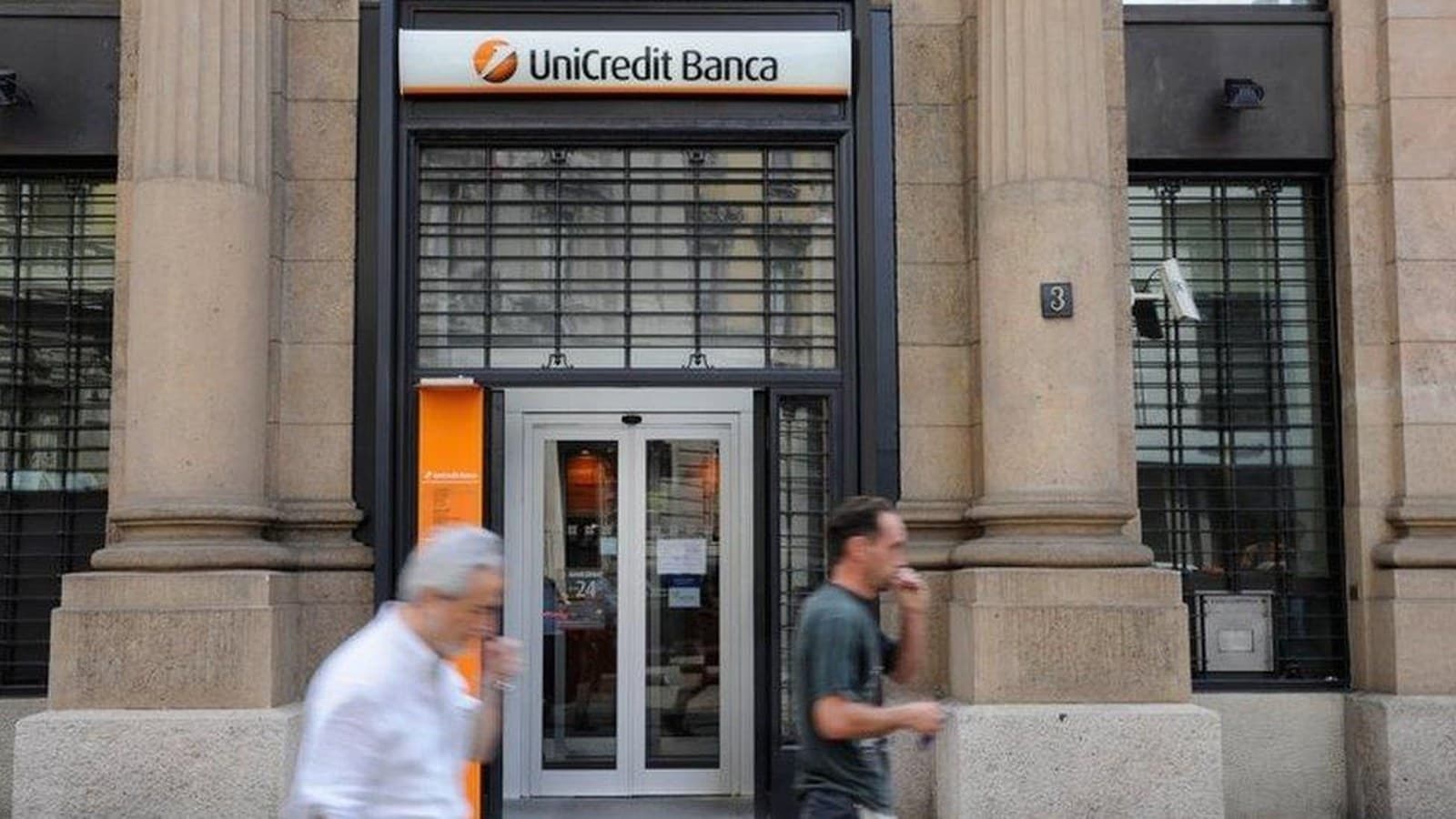
Italian banking is going through the kind of consolidation wave that France, Spain and the Netherlands worked through roughly a decade ago, and it is happening loudly enough that keeping track of who is bidding for whom has become a full time job for analysts covering Piazza Affari. At the center of it is Monte dei Paschi, the bank Italy nationalized in a 2017 bailout and reprivatized only in 2023 and 2024, which has gone from rescue case to aggressor in the space of two years.
MPS bought Mediobanca last year in the first wave of this cycle, a deal that also made it the largest single investor in the insurer Generali. That appetite has not slowed down. In June, Intesa Sanpaolo, Italy's biggest banking group, launched an unsolicited cash and share bid worth 30,6 billion euros, about 35 billion dollars, to buy MPS outright. Rather than simply defend itself, MPS answered on August 21 with separate all share bids of its own, worth roughly 34 billion euros combined, aimed at Banco BPM and at Banca Generali, the wealth manager controlled by the insurer Generali.
The end state MPS appears to be building toward involves folding a combined network in with BPER Banca, the lender backed by the insurer Unipol, under the historic Monte dei Paschi brand, a plan that would create a genuine fourth pole in Italian banking rather than leave the sector as a contest between UniCredit and Intesa Sanpaolo. By market capitalization the sector currently ranks UniCredit at roughly 107 billion euros, Intesa Sanpaolo at 97,5 billion, MPS at 30,7 billion after absorbing Mediobanca, and Banco BPM at around 20 billion, numbers that shift by the week as bids and counterbids move share prices.
UniCredit itself has stayed conspicuously on the sidelines of the domestic scramble. Chief executive Andrea Orcel, brought in back in 2021 specifically to pursue acquisitions, has spent his energy instead on a takeover attempt of Germany's Commerzbank, and has said UniCredit would rather voluntarily miss out on Italian consolidation than accept a deal that does not meet its terms. That restraint looks less like disinterest than patience, a bank willing to let MPS, Intesa and Banco BPM reshape the rest of the sector before deciding whether anything left standing is worth buying.
What Italy is really working through is not just three or four overlapping bids but a decade of delay compressed into two years, a banking sector cutting the number of major players it needs at roughly the same speed markets elsewhere in Europe managed gradually. Whether the result is a stronger, more competitive Italian banking sector or simply a smaller number of larger, harder to regulate ones is the question analysts are still arguing about while the bids keep coming.