
Amazon shares rose about 14 percent within minutes of Friday's open, matching the biggest single day gain since 24 April 2015, and closed the session up 15,3 percent. It was the stock's fastest advance in four years, and it came straight off a quarter that beat expectations on the two numbers investors were watching.
Thursday's results put revenue at 206,6 billion dollars against a Wall Street estimate of 197 billion, according to FactSet. Cloud services, the part of the business the market treats as the read on artificial intelligence demand, grew 37 percent year on year to 42,2 billion dollars, against an estimate of 40,5 billion.
Rather than trim spending on the strength of it, Amazon raised its capital expenditure guidance for the year to 220 billion dollars from 200 billion. Chief executive Andy Jassy said most of that outlay is going towards meeting demand for artificial intelligence, and described the company as unusually well placed for the turn the industry is taking.
Enormous capital budgets have become the pressure point for every large technology company, on the argument that the spending is running ahead of anything customers will actually pay for. Amazon's cloud growth is the counter argument. Forrester analyst Tracy Woo wrote in a note on Thursday that the figure is a clear indicator the investment is meeting market demand rather than outrunning it.
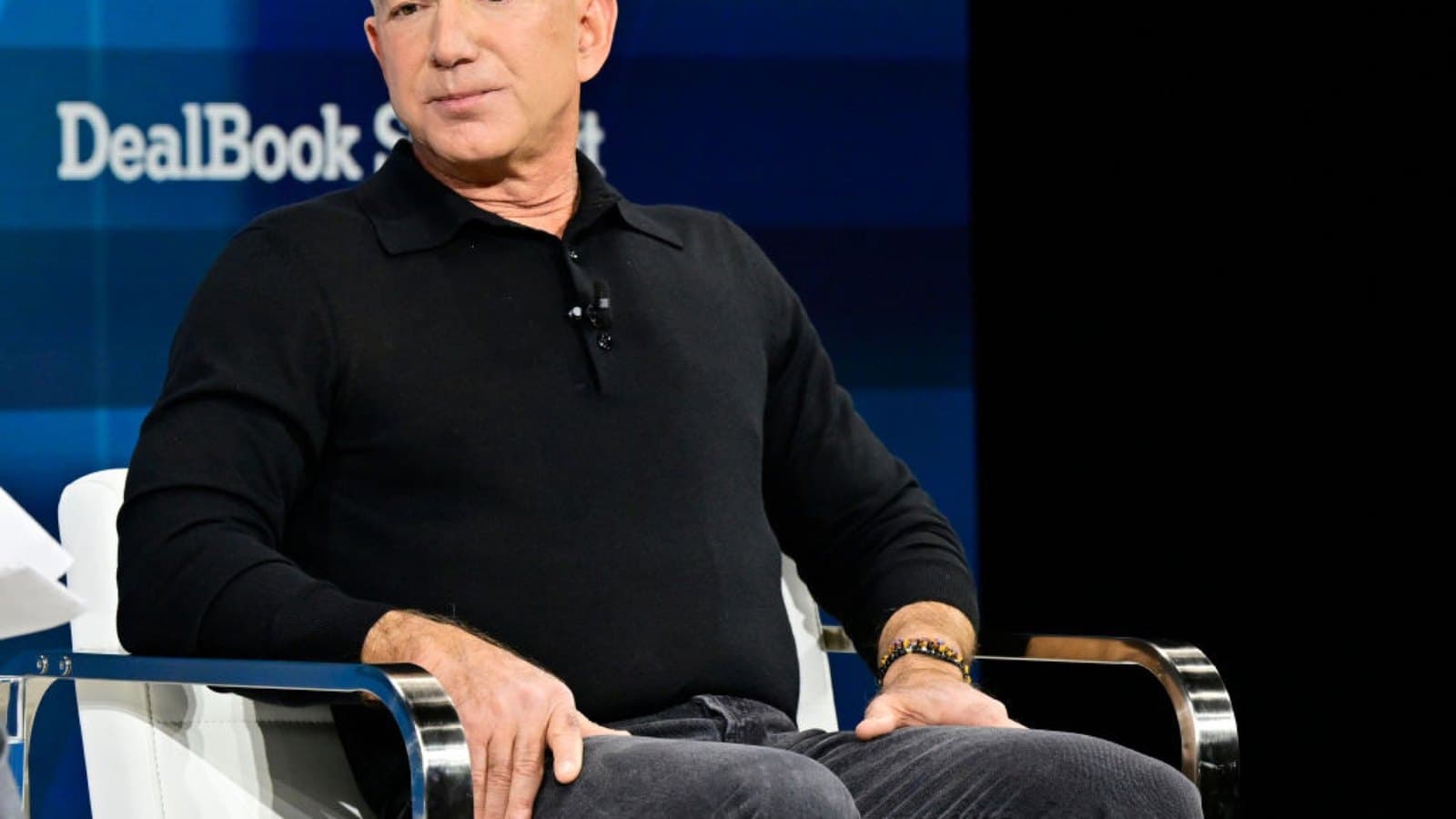
The share move added more than 30 billion dollars to Jeff Bezos's net worth, which Forbes now estimates at 278,1 billion dollars. That puts the Amazon founder third on its list, ahead of Google co founder Sergey Brin at 257,6 billion and just below the other Google co founder, Larry Page, at 279,3 billion. Bezos and Brin have traded the position repeatedly over recent weeks as investors weigh each set of quarterly numbers for any sign of softness in the global market for artificial intelligence.
Apple went the other way on the same day, falling 9 percent after guiding below expectations for the current quarter and pointing at supply problems. It now expects revenue growth of 9 to 11 percent against an estimate of 12 percent. On his final earnings call as chief executive, Tim Cook said the company expects to carry even higher memory costs because of the global shortage, and that market prices for memory are likely to keep climbing with a growing effect on the business beyond September.
The pattern held all week. Meta fell sharply while Microsoft rose 15 percent, with investors taking sides on how each company is turning its artificial intelligence products into revenue. What is being repriced is not the technology but the spending behind it, and the market is now sorting the megacaps by which of them can show the money coming back.